
Bus fires: 12 cases investigated
Cases investigated in recent years, safeguarding client confidentiality.
A loose hose threw oil onto the turbine
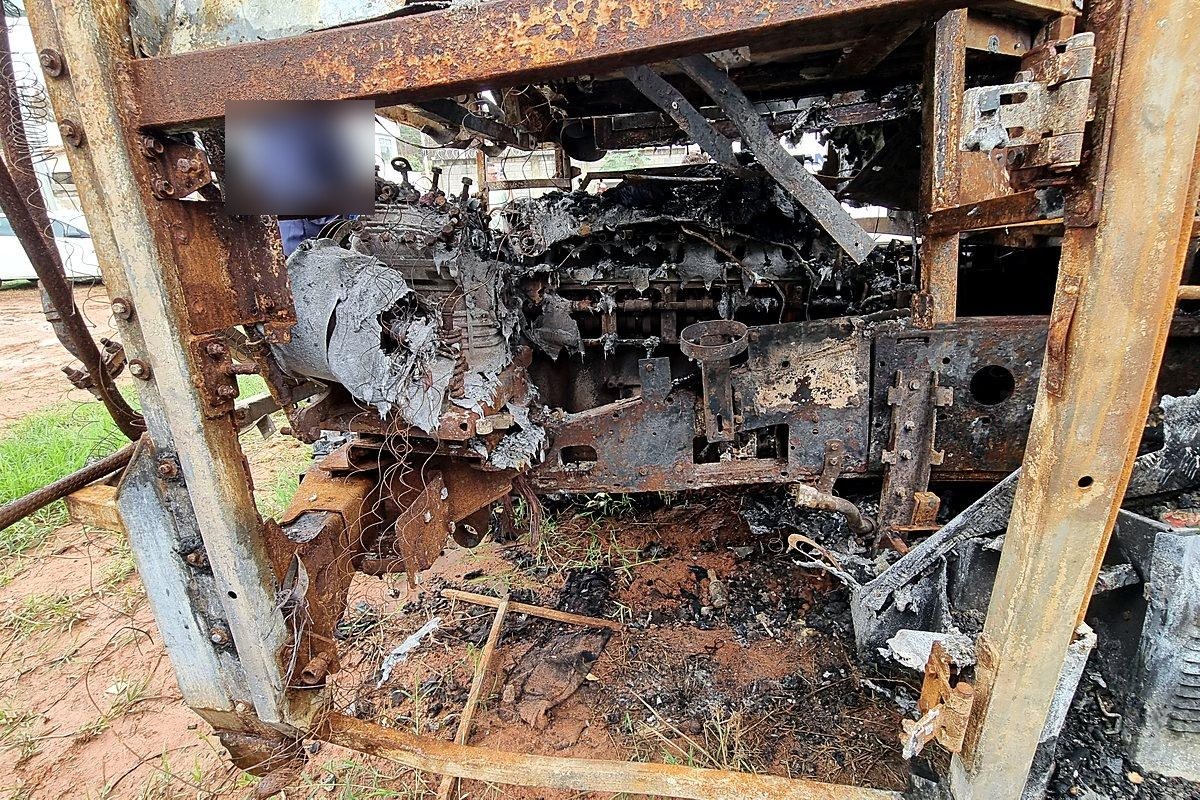
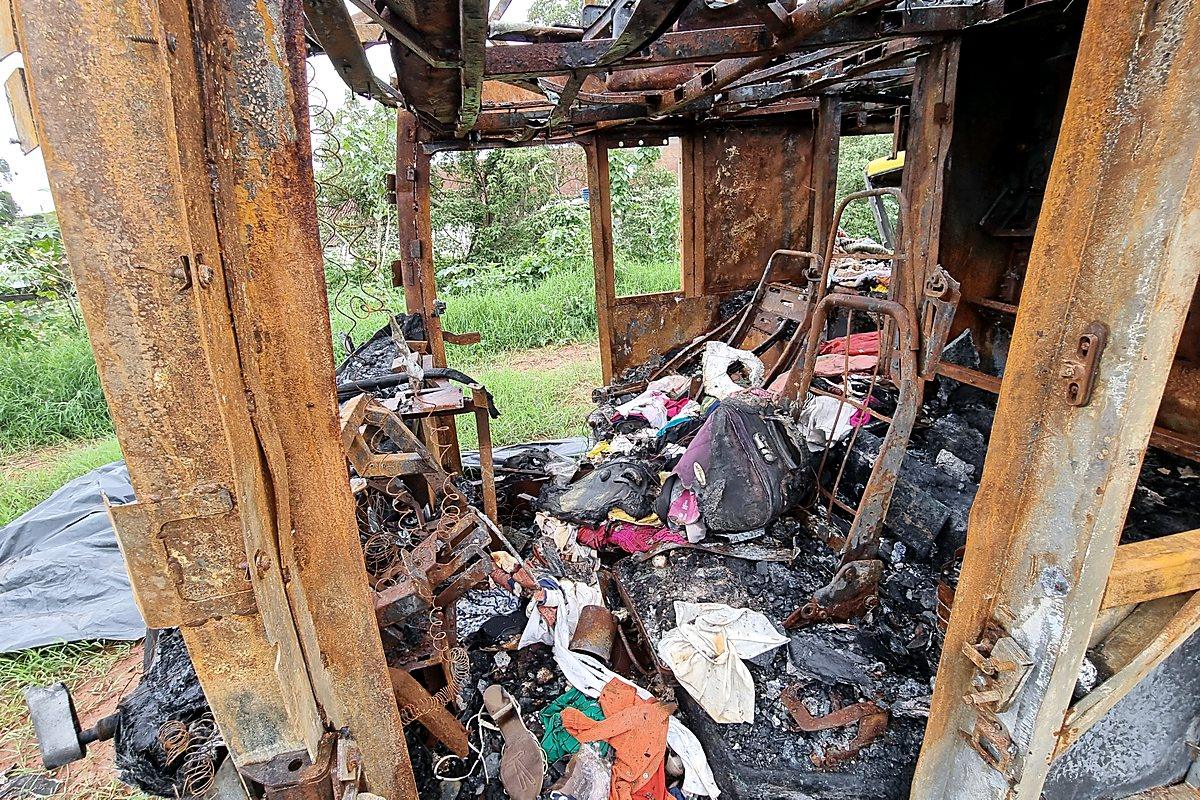
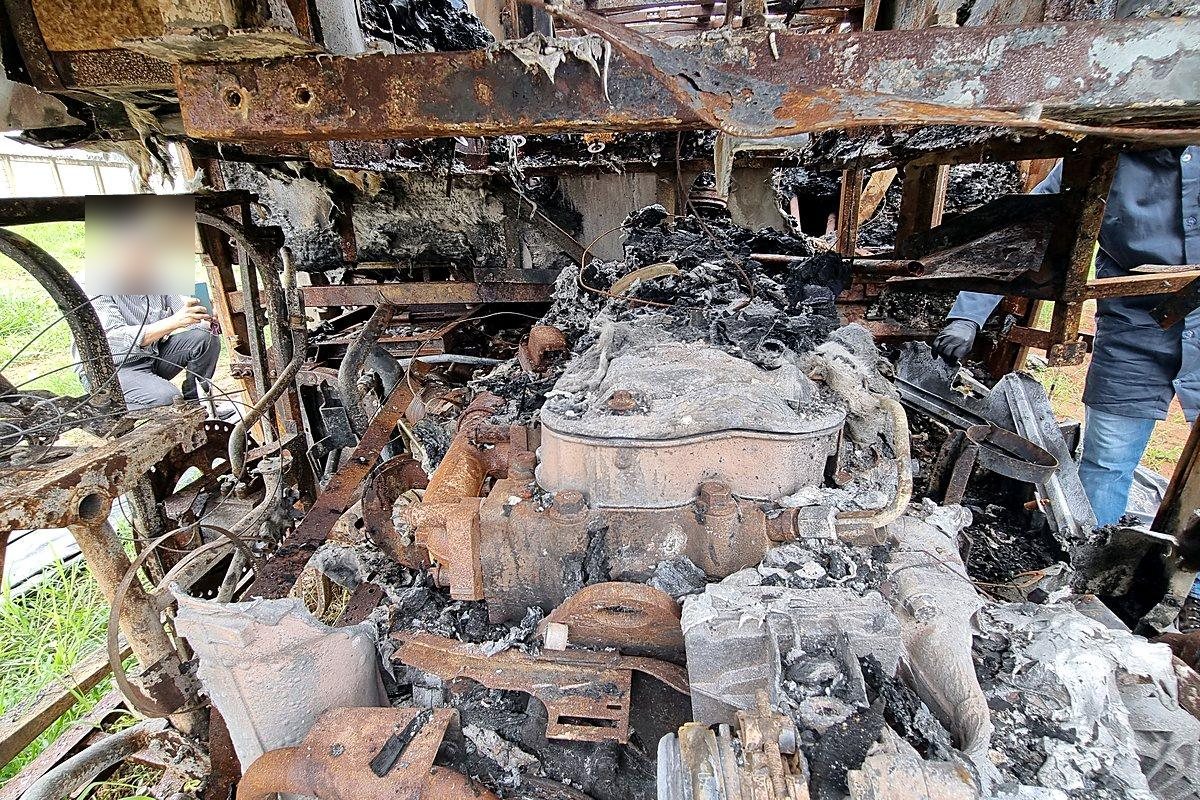
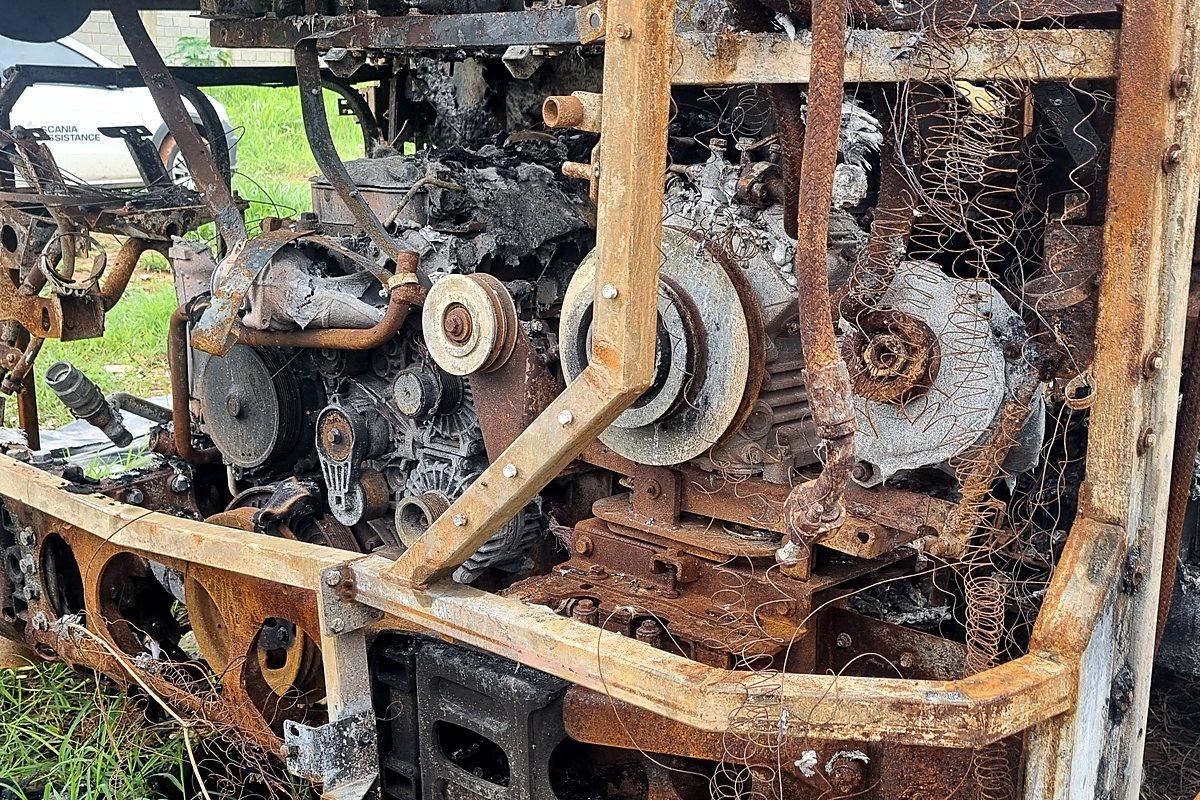
The case
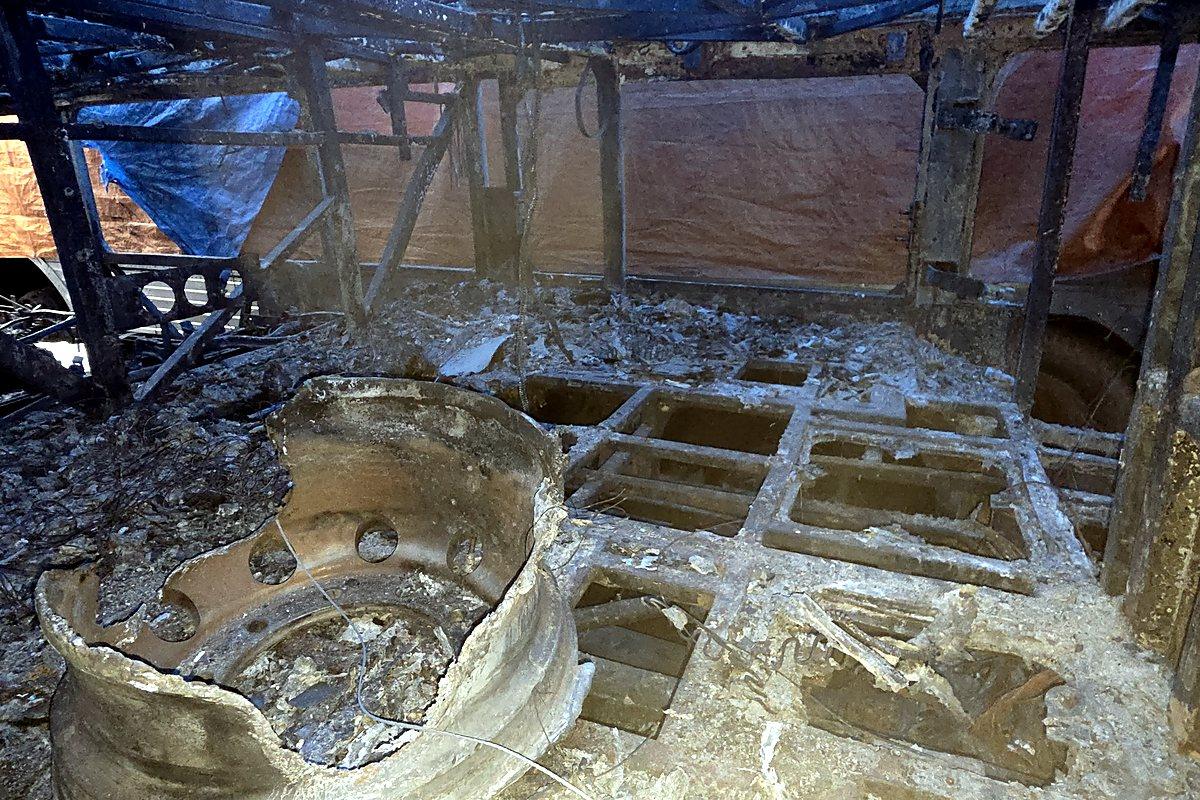
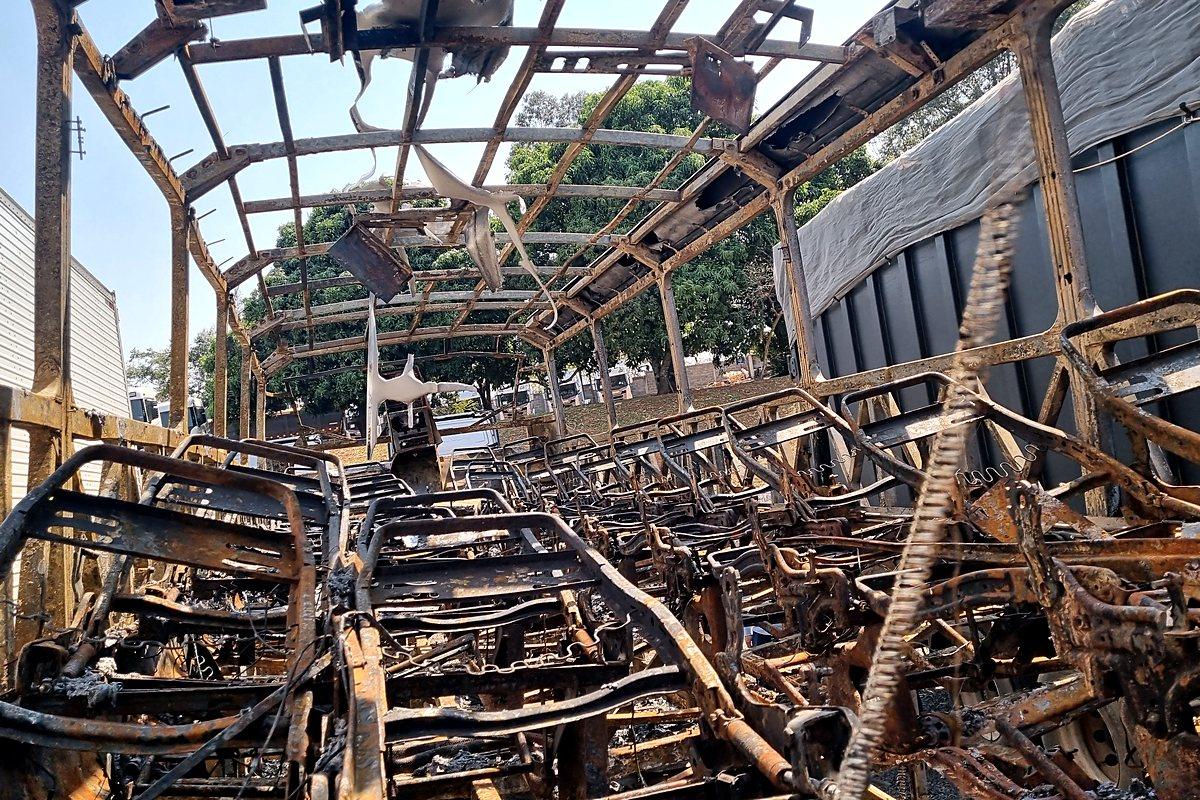
- Bus completely consumed: only the metal frame was left.
- The radiator-fan high-pressure hose had two faults: a loose clamp at the fan motor and a badly crimped fitting near the hydraulic pump.
- The fire seats matched the leak locations point for point.
How we helped the client
Inspection with the parties present, analysis of footage of the fire and comparison with photos of the chassis before manufacture. We showed hydraulic oil reaching the turbine area and mapped how the flames spread.
Leaks in the radiator-ventilation high-pressure hose, with a loose clamp and a poor connection caused by a crimping defect.
Diesel and oil onto the alternator and catalyst
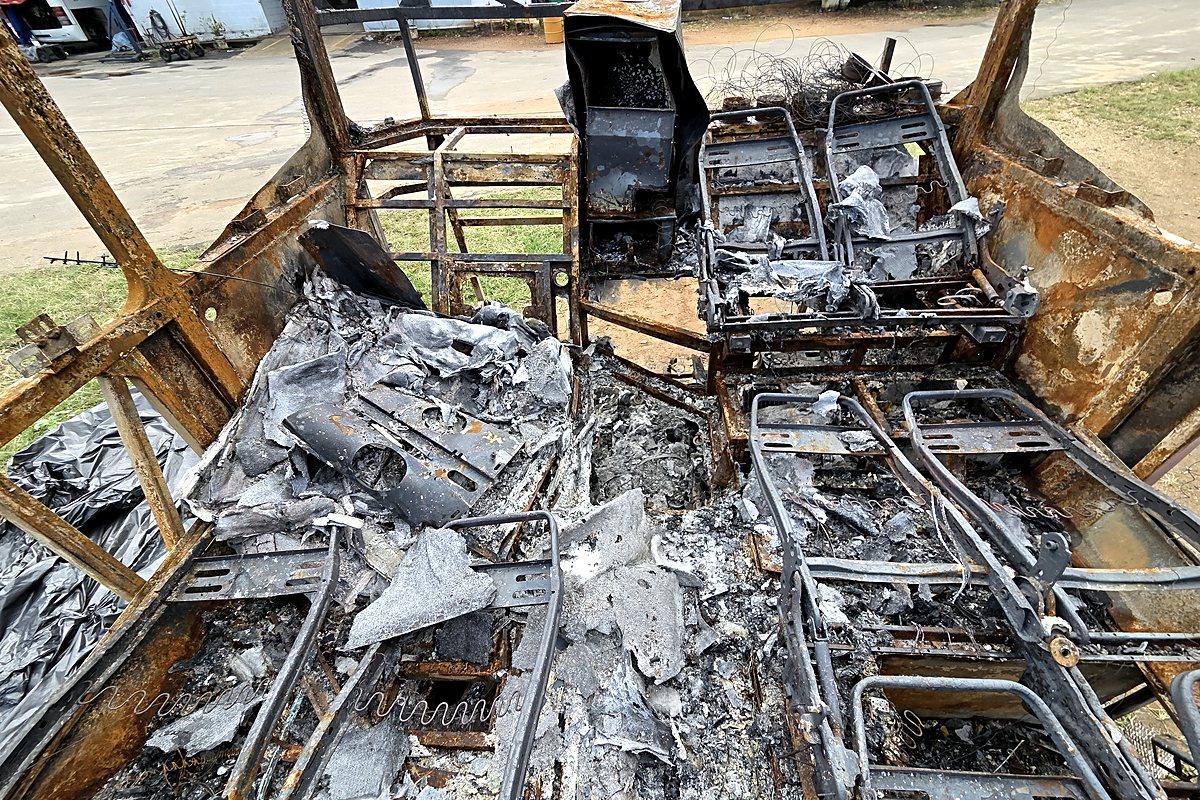
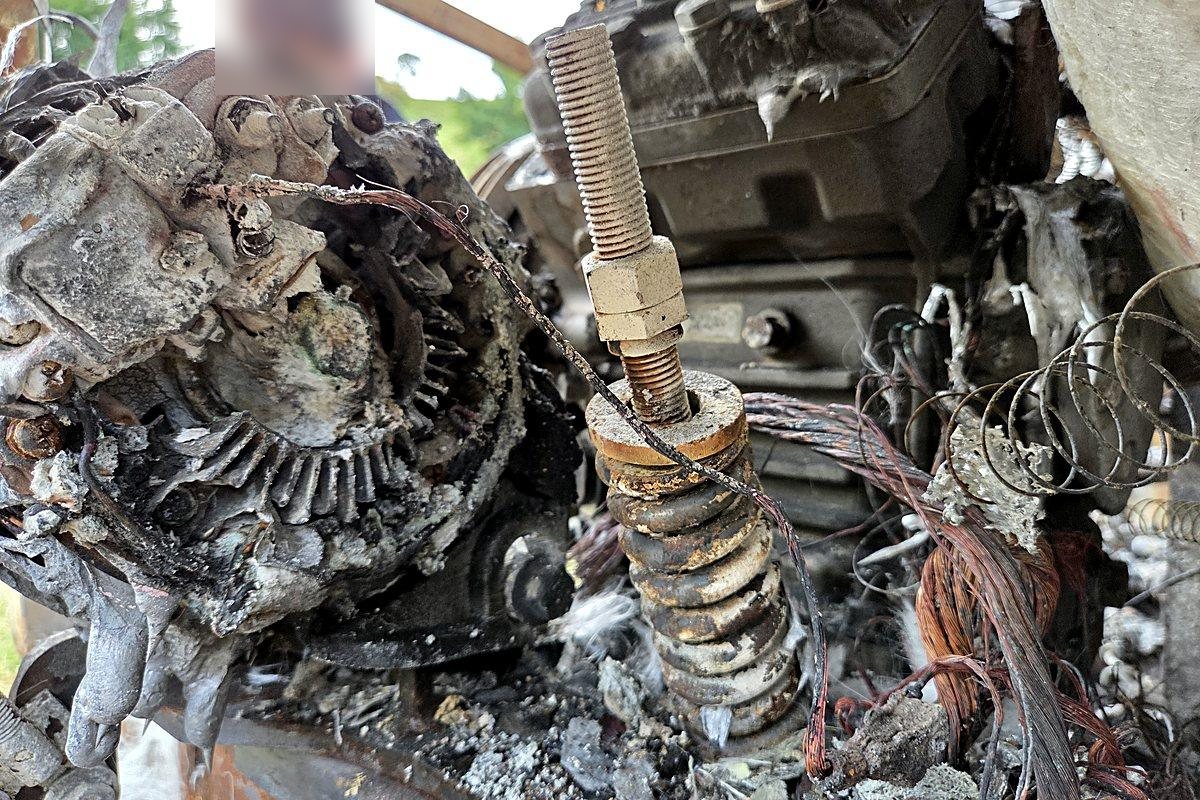
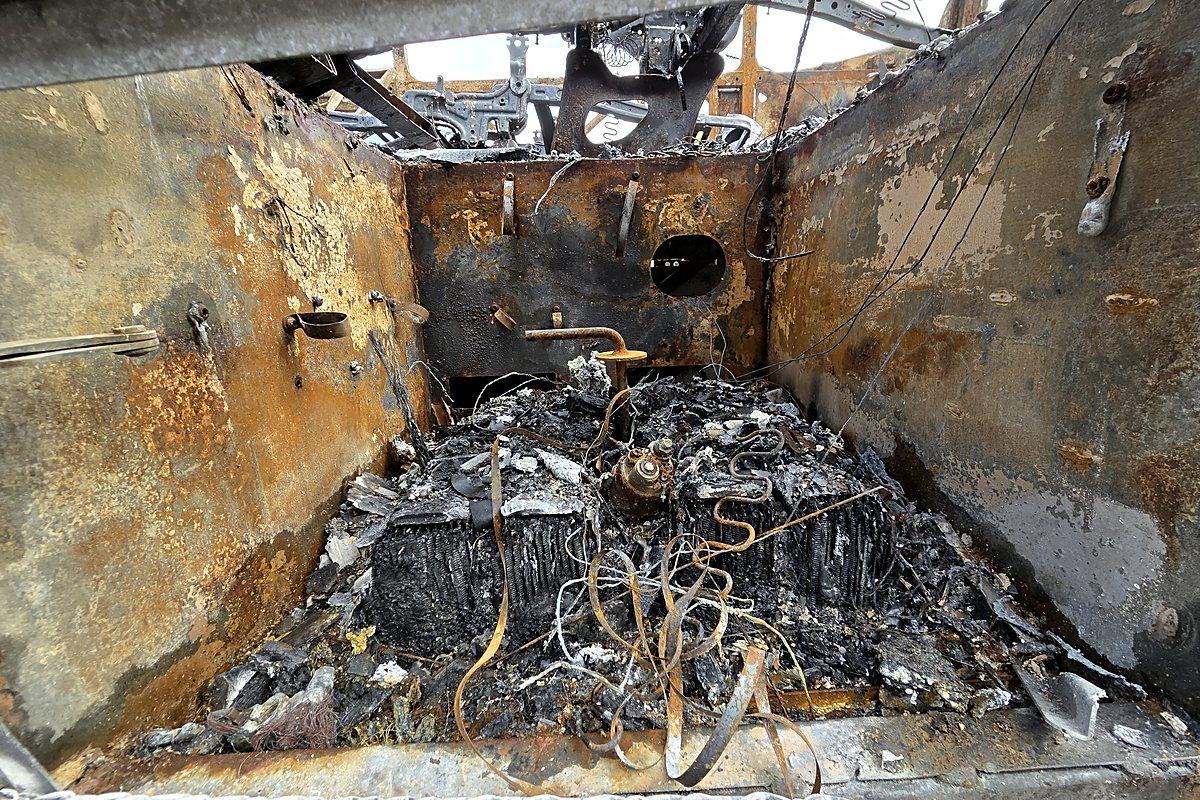
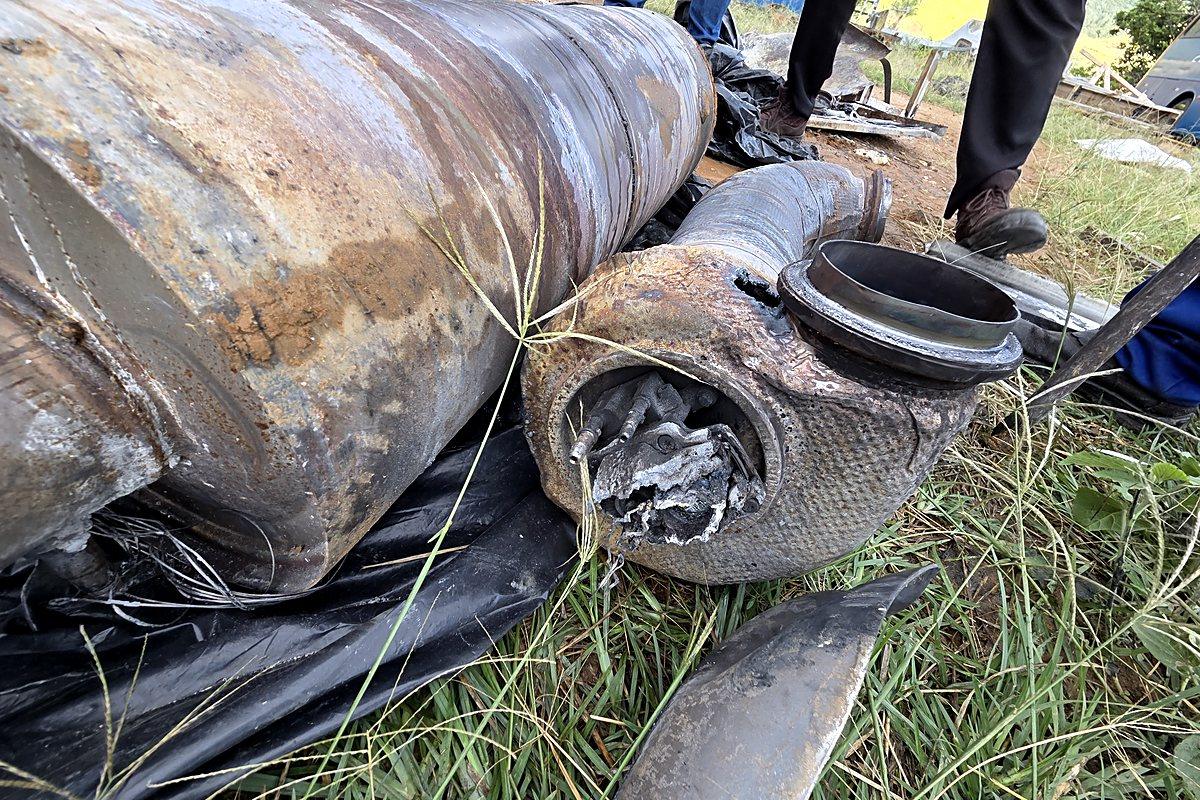
The case
- The driver pointed to the right side of the engine, between catalyst and block; the alternator housing on that side was completely consumed.
- On the similar bus, two diesel lines have fittings directly above the alternator.
- The seat at the A/C compressor was secondary: the fire reached it from below.
How we helped the client
We compared the burned bus with an identical vehicle from the operator’s fleet. The comparison showed where fuel can run onto an ignition source, and the direction of the fire on the metal separated the primary seat from the secondary one.
Leak of flammable liquid (lubricating oil and/or diesel) onto the alternator and/or catalyst, which acted as ignition sources.
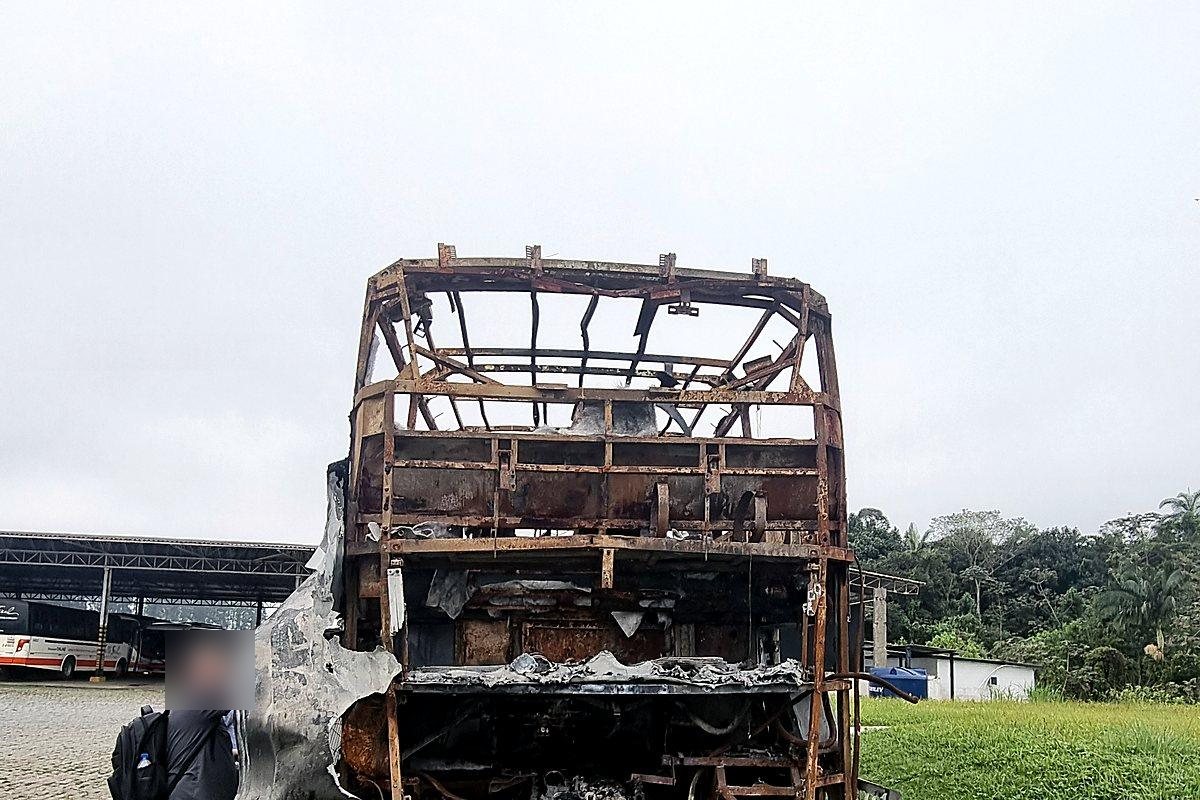
A catalyst with no plug and poorly connected cables
The case
- The maintenance history showed recurring alternator faults; it was replaced about a month before the fire.
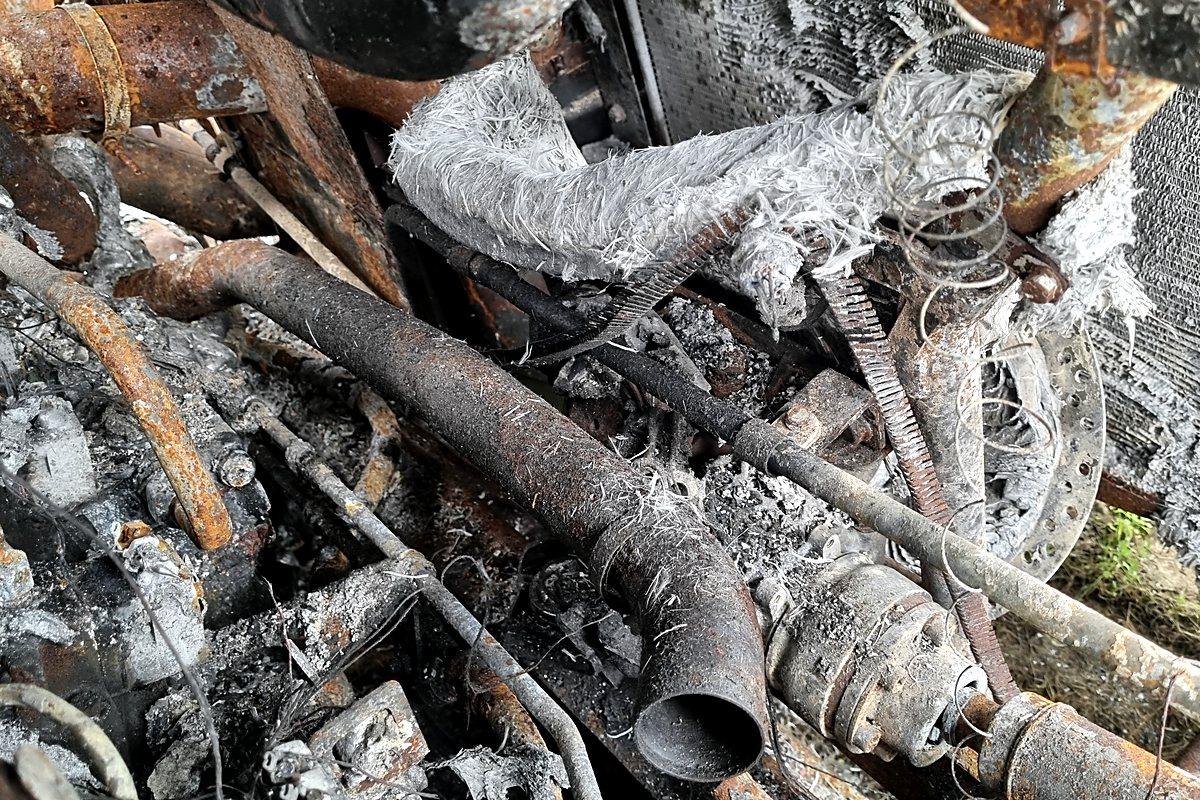
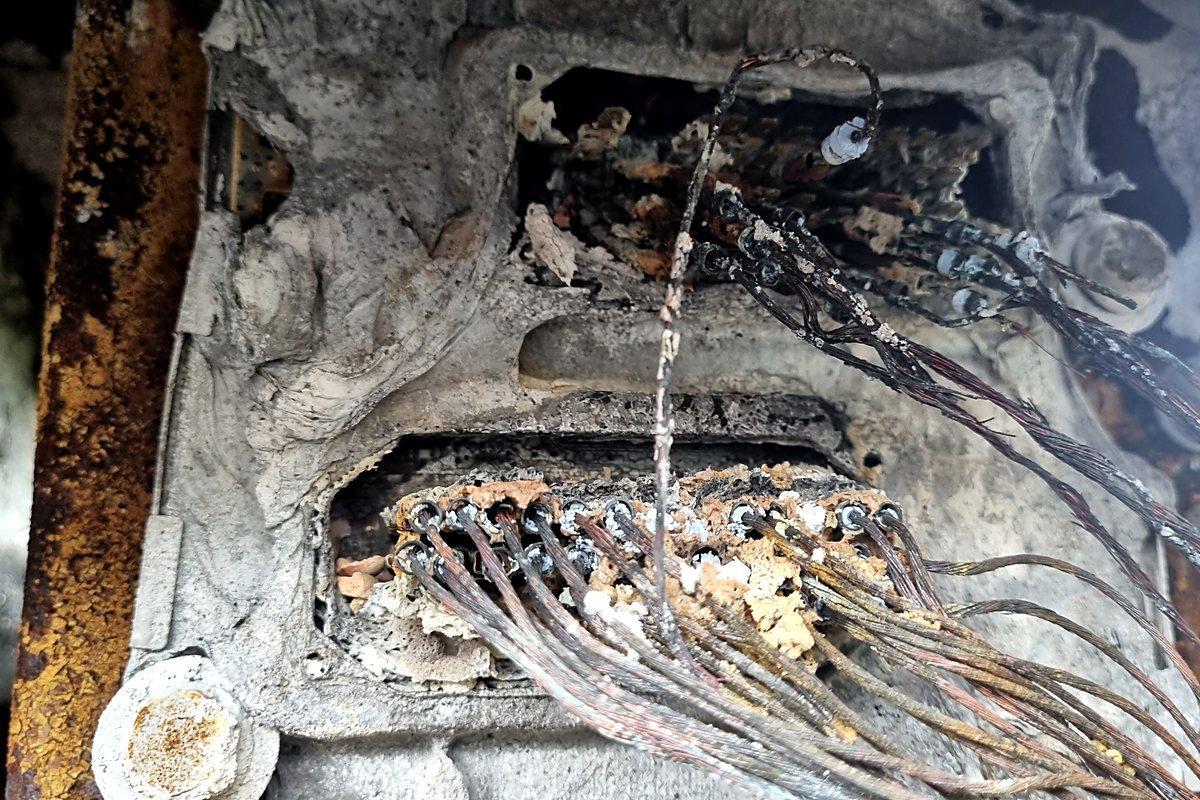
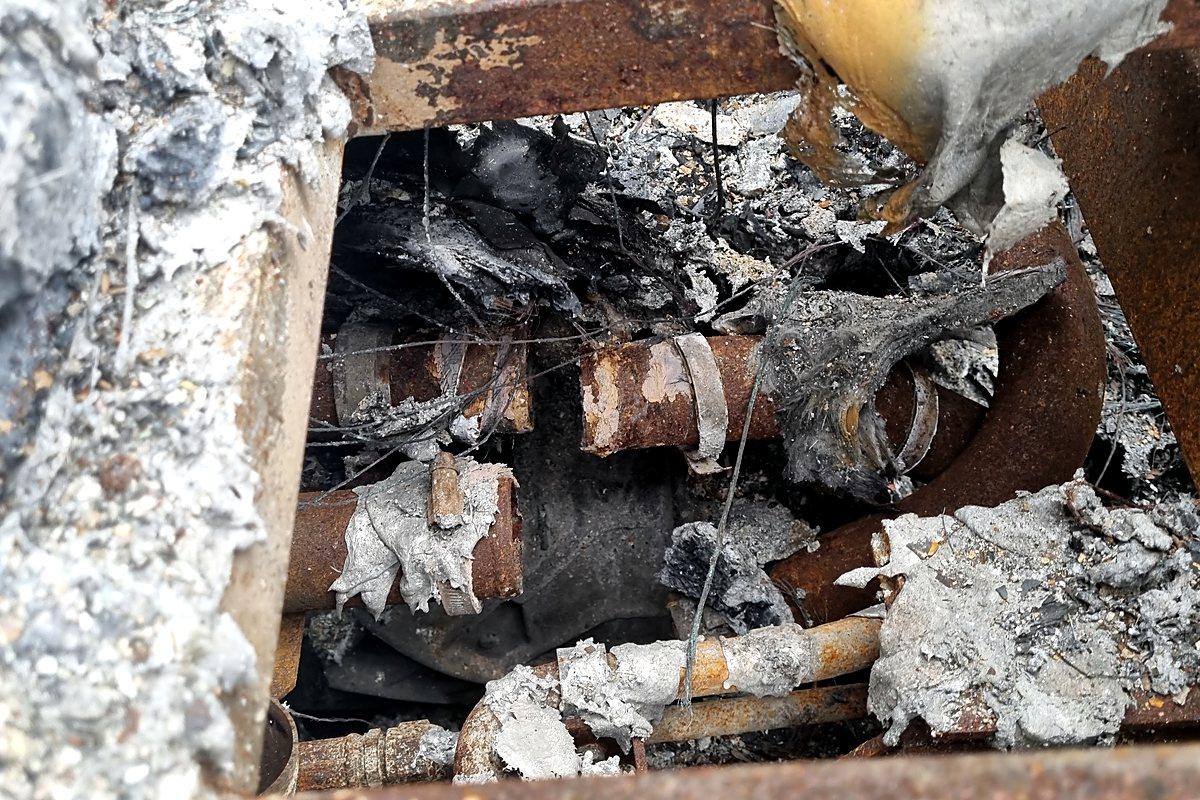
- The plug at the catalyst outlet was missing, and a cable was melted along the line of the hot air jet.
- The back of the catalyst was practically intact: the fire did not start there.
How we helped the client
Rather than force a single cause, we weighed two hypotheses that add up: an air jet above 800 °C against insulation that ignites near 500 °C, and overheating from a poor cable contact. The report records both, each with its own evidence.
Overheating of loose, poorly connected electrical cables, made worse by the missing plug at the catalyst outlet, which throws very hot air onto the insulation.
A badly seated injection tube
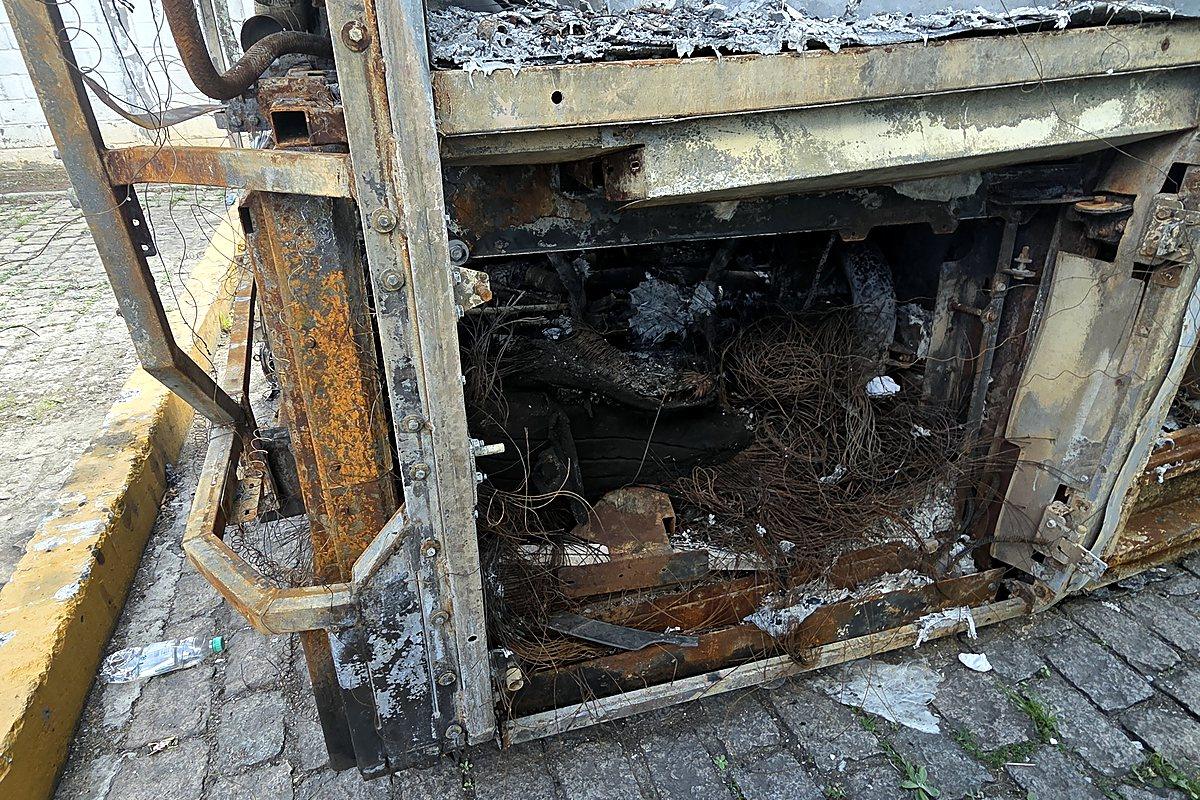
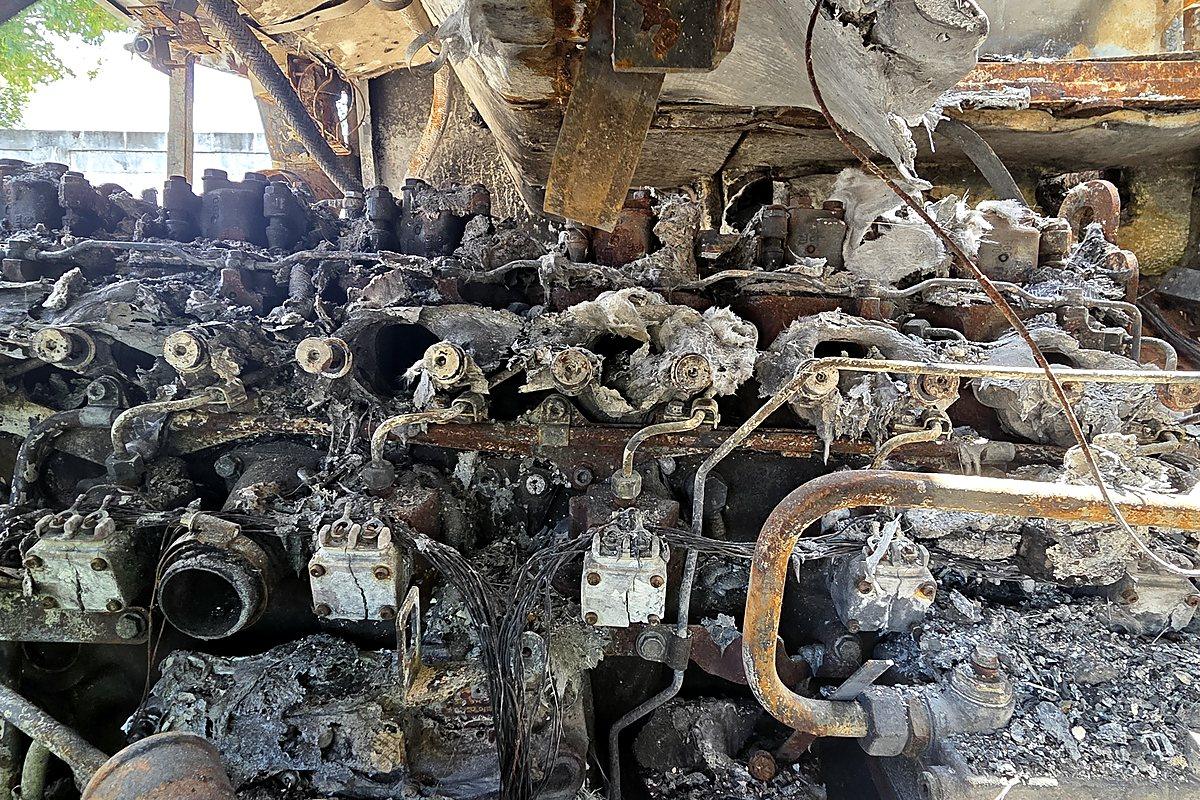
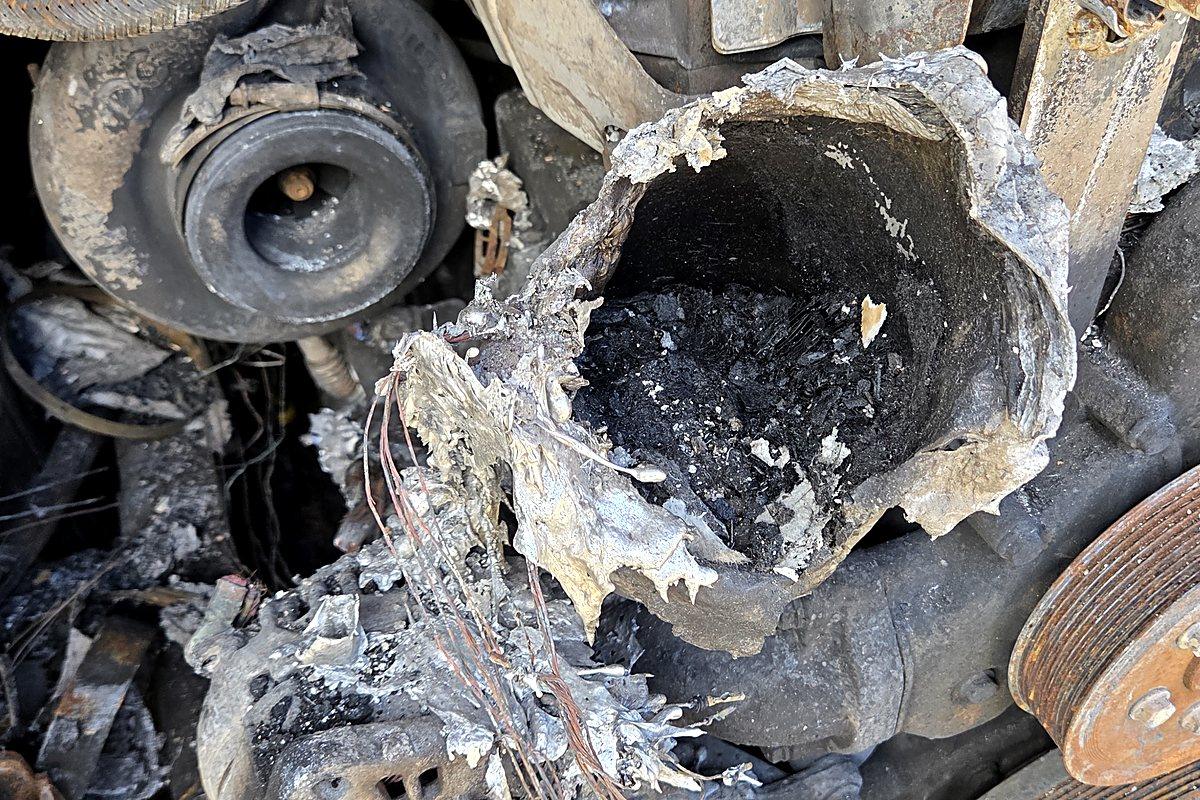
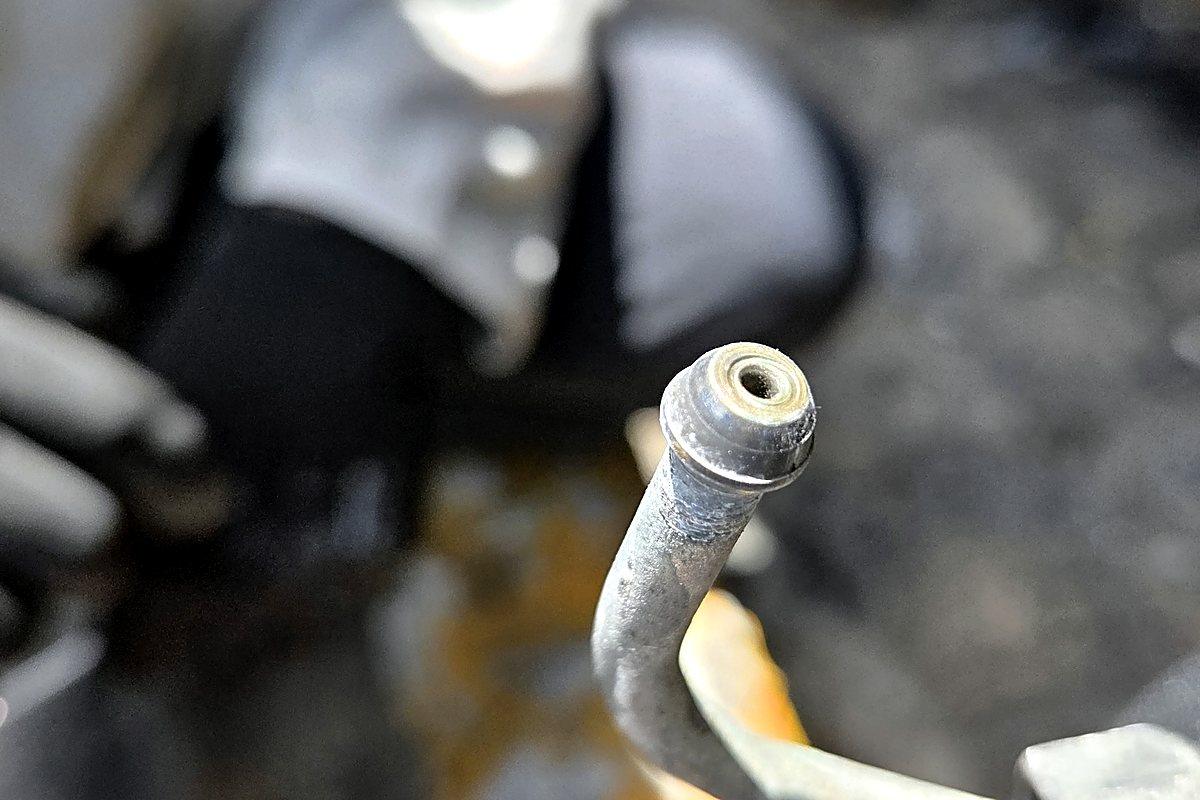
The case
- On a highway climb, at night, the fire began in the engine compartment.
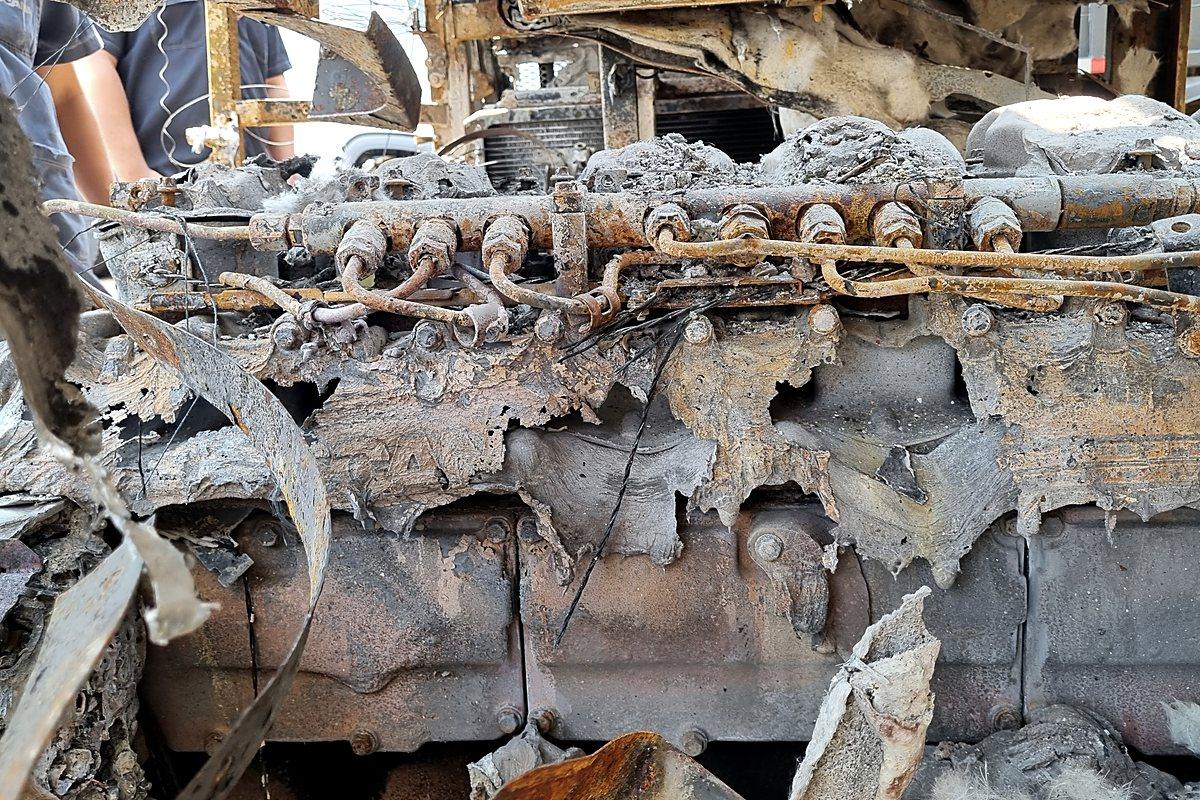
- Of the six high-pressure tubes (over 1,300 bar), only the 5th was badly seated. On removal, the nuts had a different torque from the others.
- The compressor air tube was clogged with carbon and overheating: it was the ignition source.
How we helped the client
We showed the client why the fuel met the hot tube: on the climb injection rises and the faulty fitting becomes a spray. We combined telemetry, the maintenance record and the burn marks on the metal beside the 5th injector. The chassis maker forbids reusing these tubes.
Fuel leak through the incorrect seating of the 5th high-pressure tube, sprayed onto the overheated compressed-air tube. Maintenance not in line with the chassis maker’s specifications.
The sixth high-pressure tube, confirmed in the lab
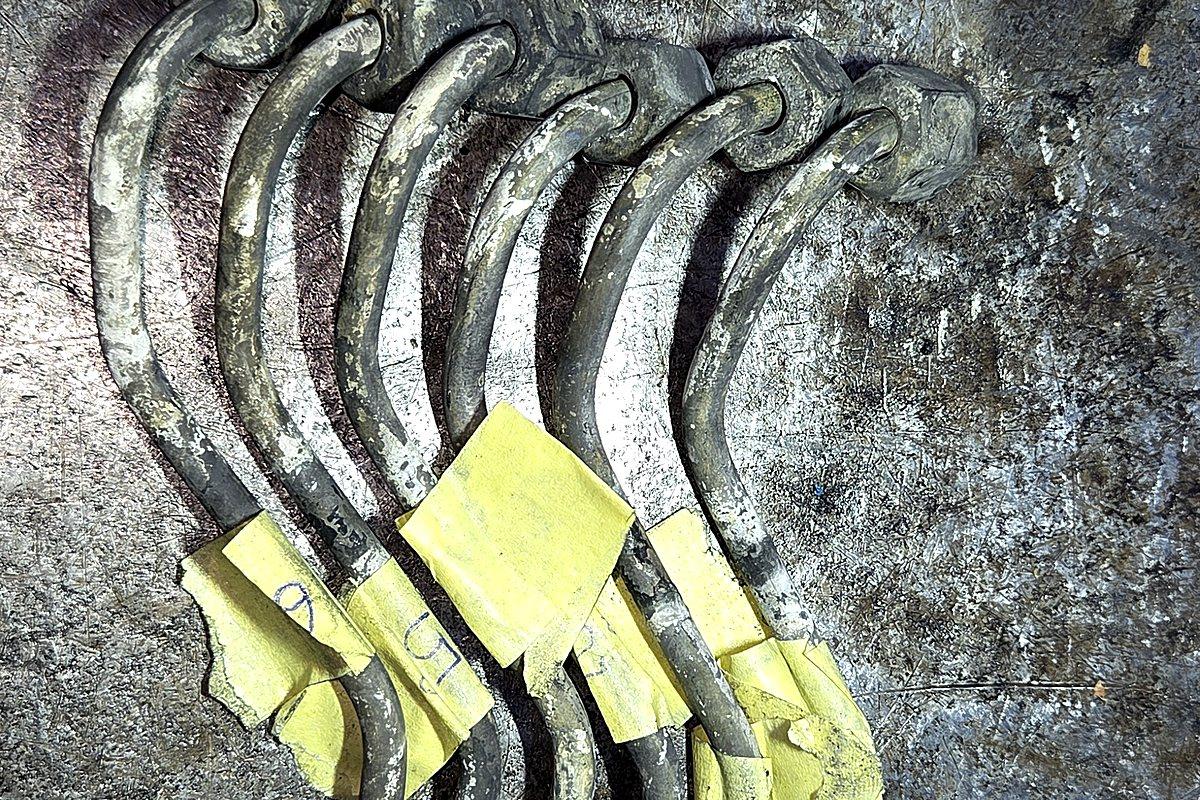
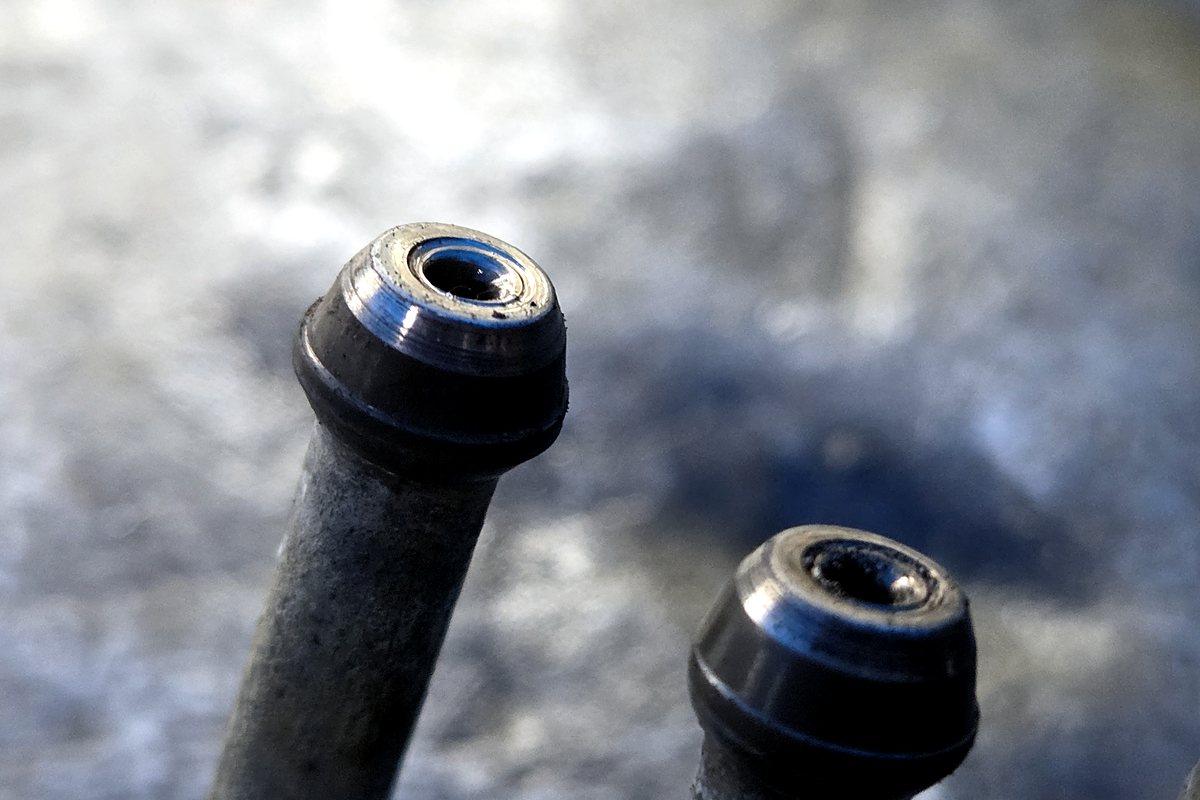
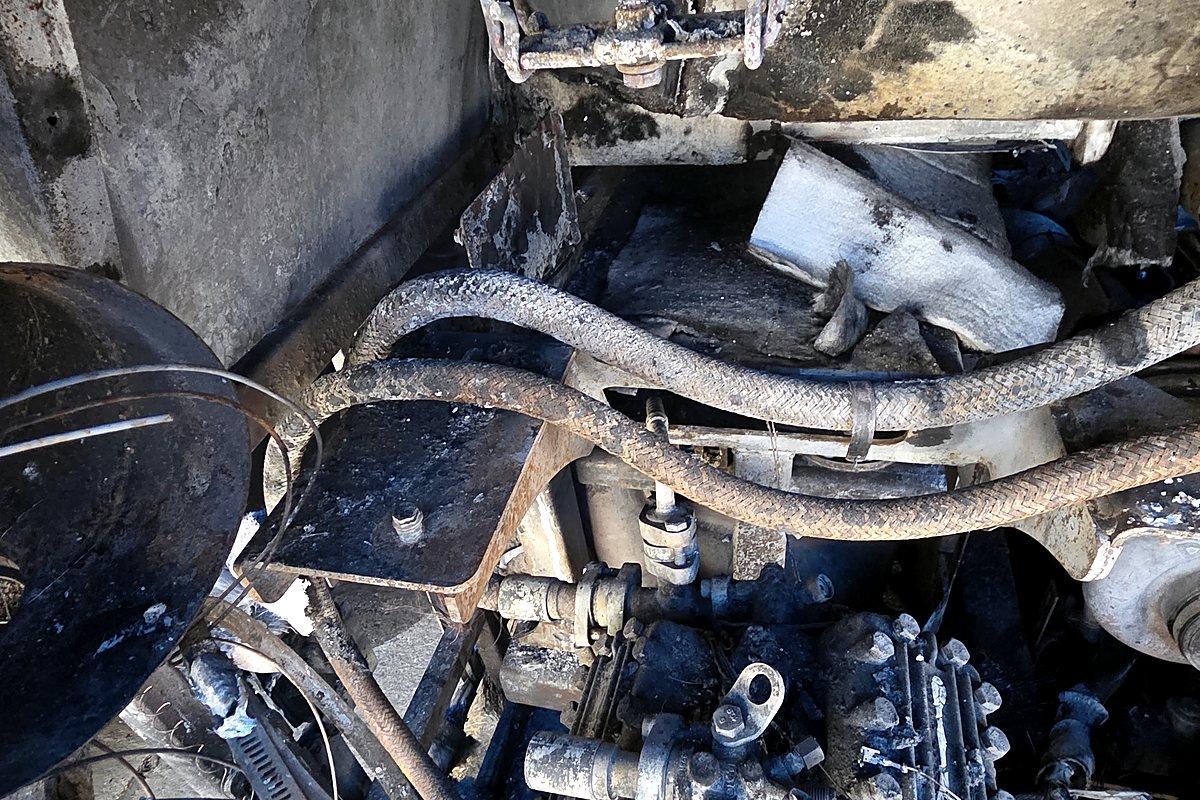
The case
- The tubes were sent for laboratory examination to back up the conclusion.
- A competing hypothesis, a seat near the resonator, was ruled out: there was no thermo-electrical phenomenon in the cables, and the footage shows the electrical system working amid the fire.
- The extinguisher ball over the area was not enough, probably because the engine lid was opened and oxygen fed the flames.
How we helped the client
Three similar buses in the same depot were compared, and the lab confirmed what the inspection indicated. The client received the cause and also the reason each alternative was set aside.
Fuel leak through the incorrect seating of the 6th high-pressure tube, onto the overheated compressed-air tube. Maintenance not in line with the chassis maker’s specifications.
Dented muffler, bumper on fire
The case
- The driver saw smoke at the rear left corner, stopped and evacuated the passengers. No fault until then.
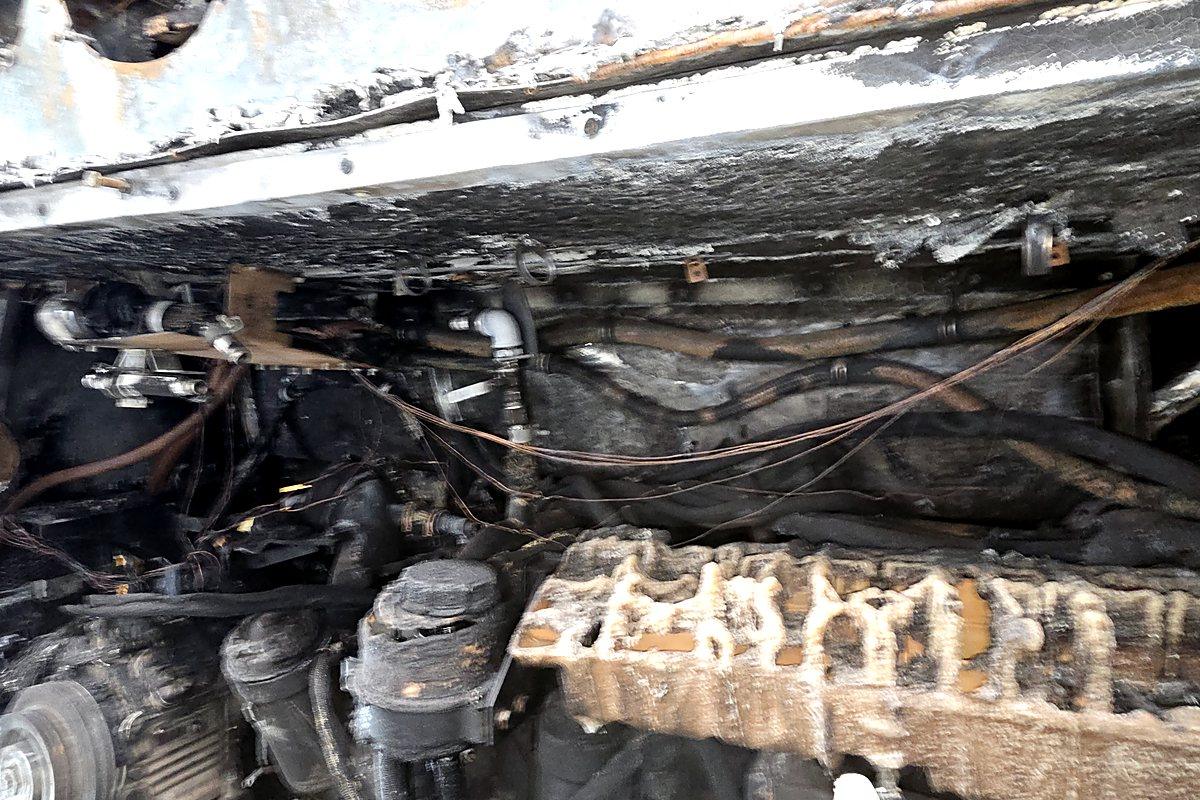
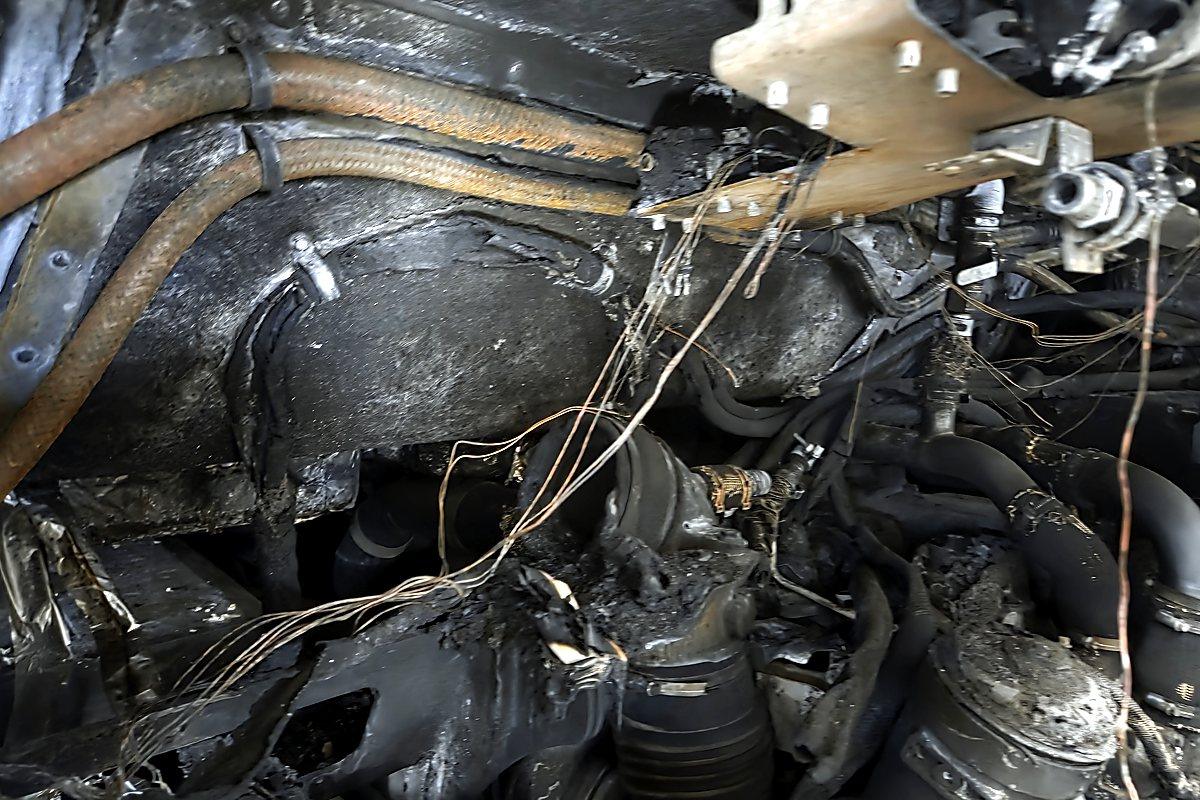
- The left bumper end, made of fibre and plastic, was the most consumed part.
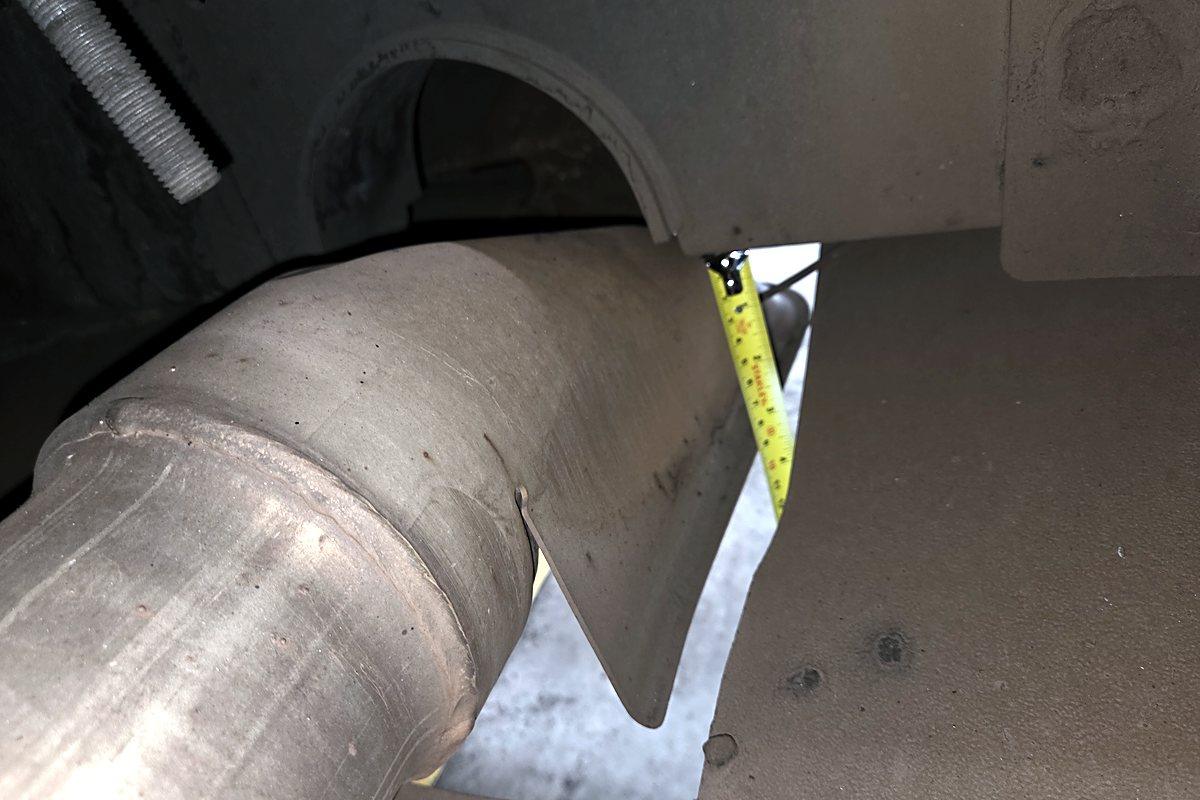
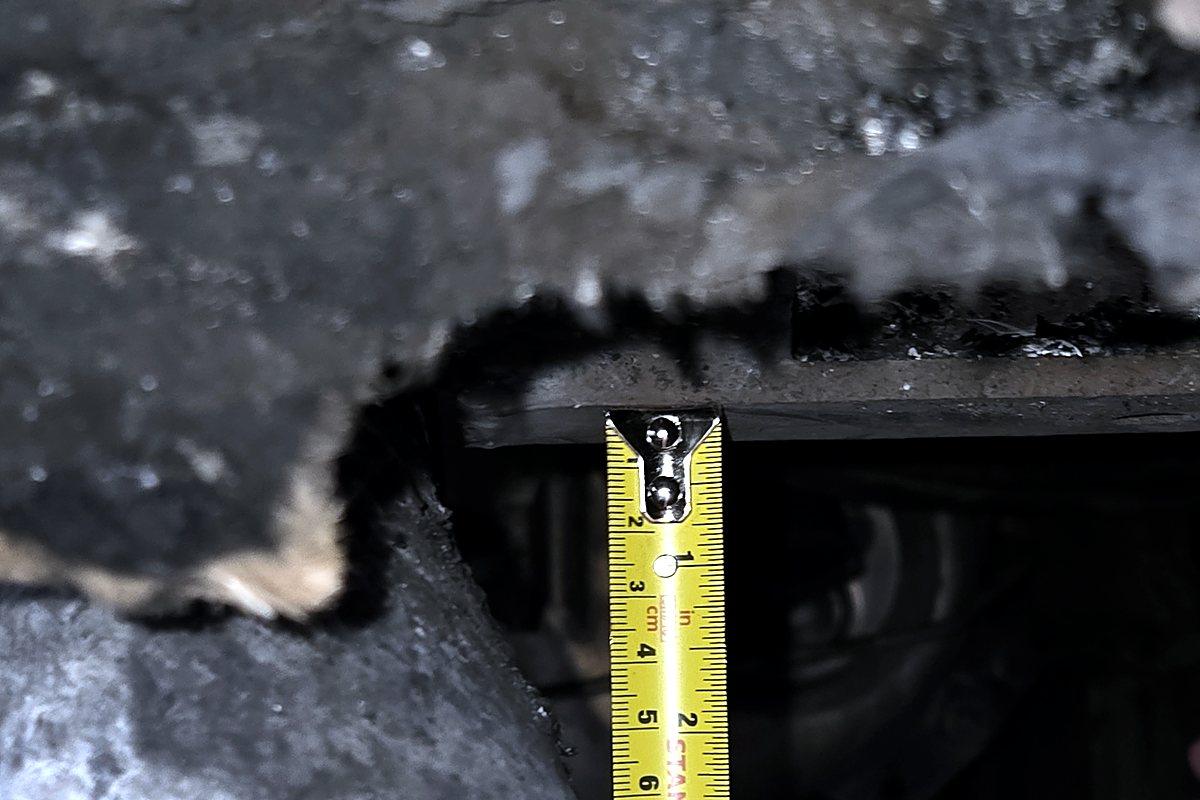
- The muffler was dented and, measured against a similar bus, 35% further up.
How we helped the client
We treated the starting point the driver indicated as a hypothesis and tested it against the burn pattern. Measuring against the reference bus turned a dent into proof: the displaced exhaust blew hot air straight onto the bumper.
Displacement of the exhaust pipe by an external mechanical force (impact with a rigid body), which heated the bumper until it ignited.
Olive oil in the luggage hold, fire in the engine
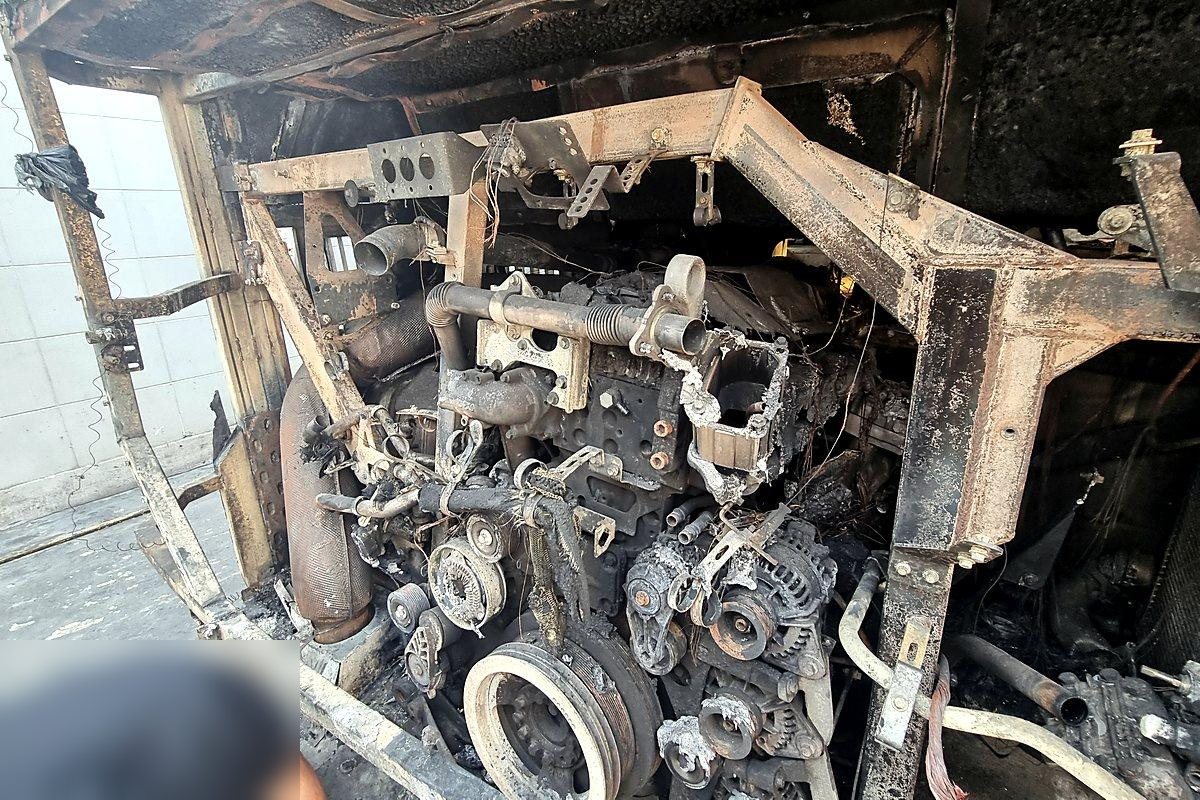
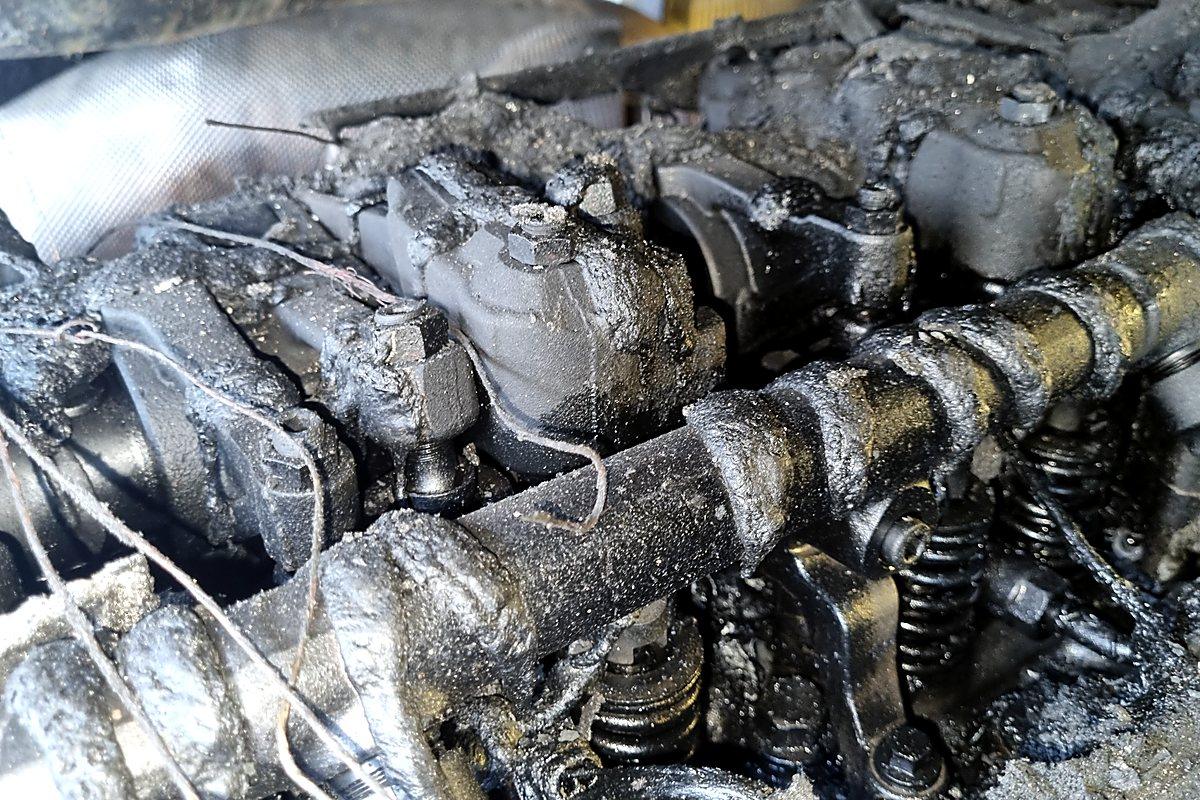
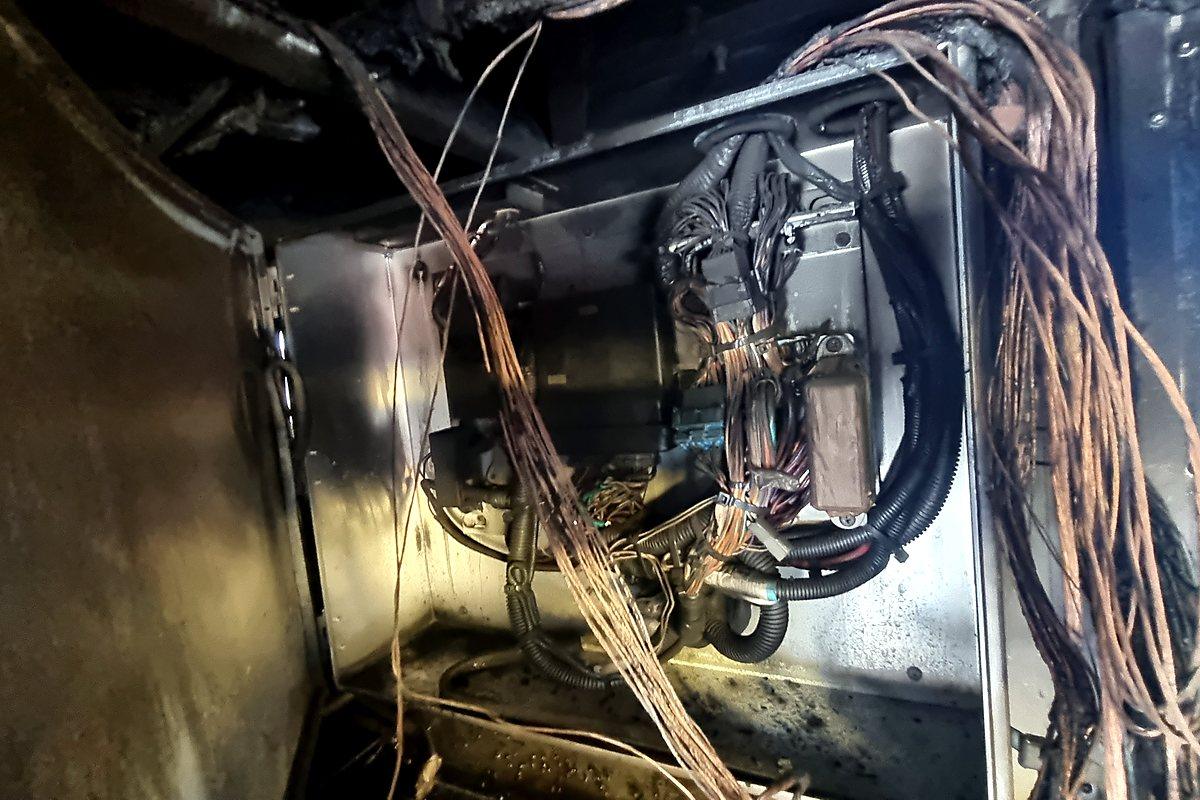
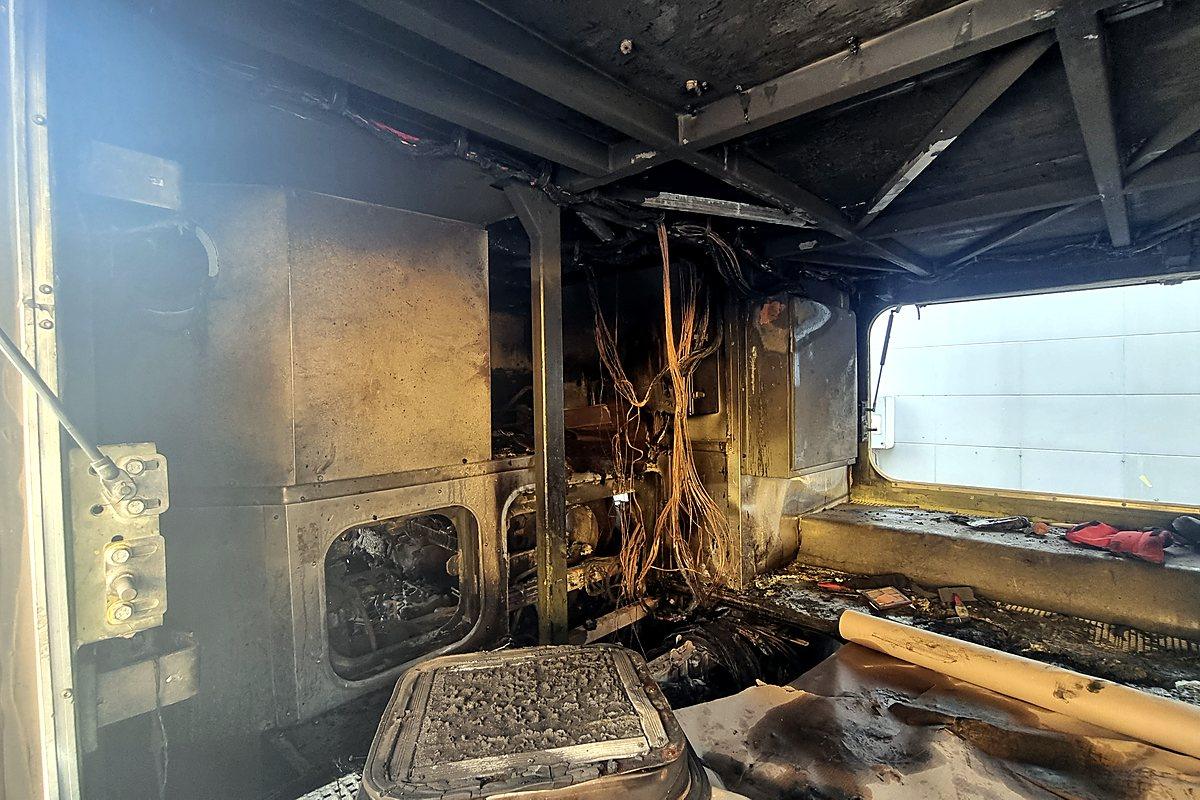
The case
- On an urban road in the afternoon. The footage shows a liquid trail on the pavement and burning fluid falling beneath the bus.
- In the luggage hold, above the engine, was a large quantity of olive-oil containers.
- The seats matched the edges of the engine lid, where the oil ran through. The turbine was clean inside: it was not involved.
How we helped the client
This was a case of proving the cause lay outside the bus. We showed the path of the flames, ruled out the turbine and pointed to the ANTT rule that bans carrying goods that endanger the vehicle and its occupants.
Spill of oil carried in the luggage hold onto hot engine components (above 350 °C), igniting instantly. The irregular carriage, in fragile containers above the engine, contributed to the event.
Pine needles under the exhaust
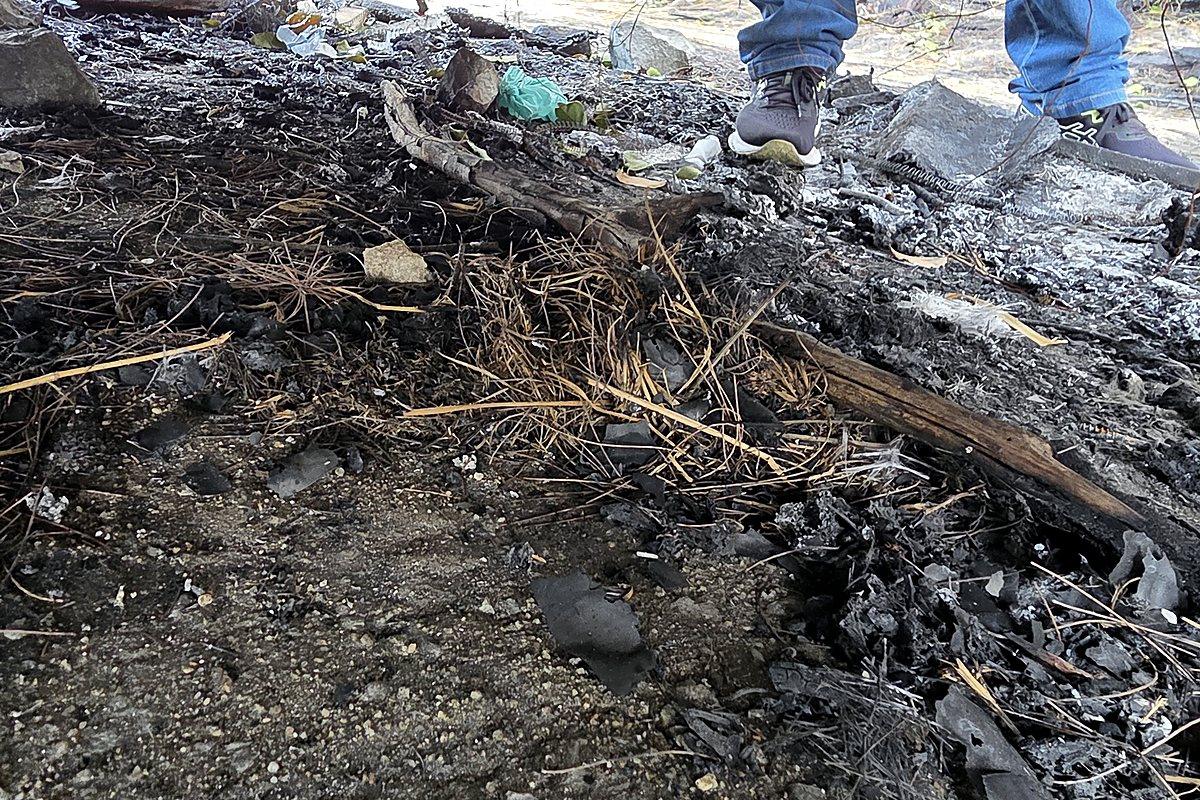
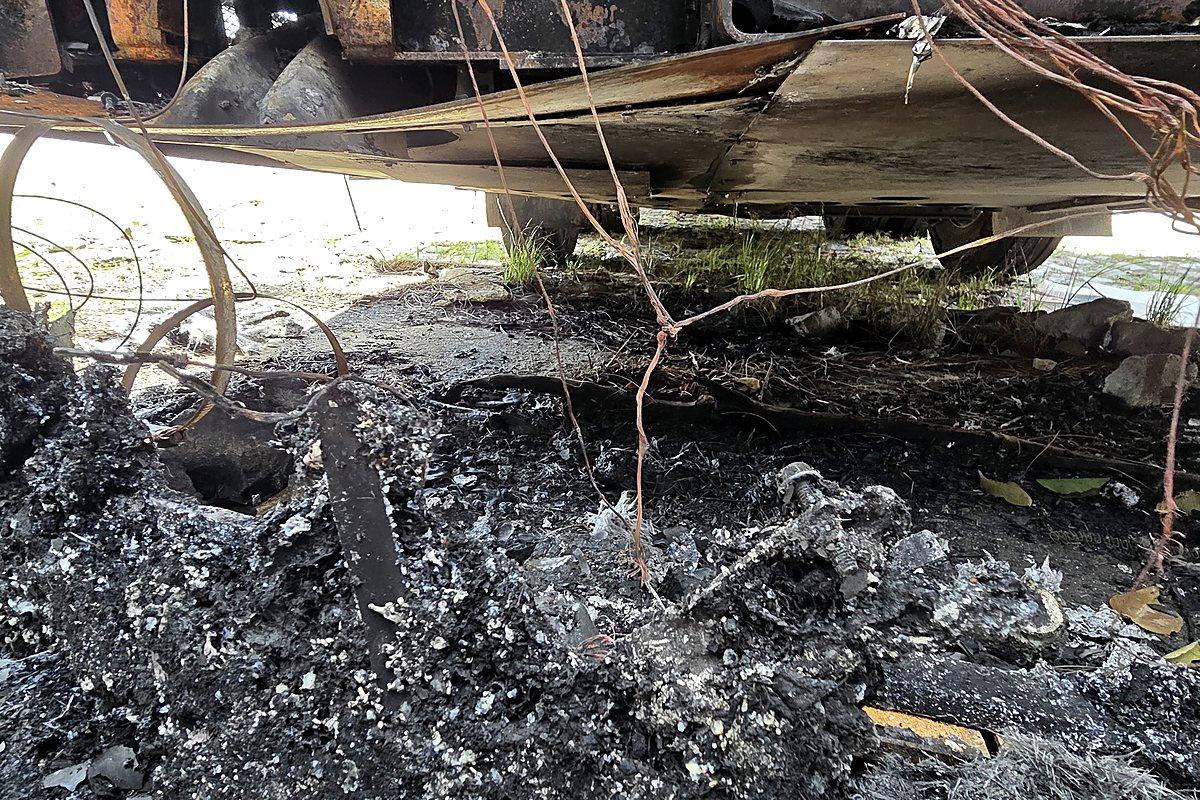
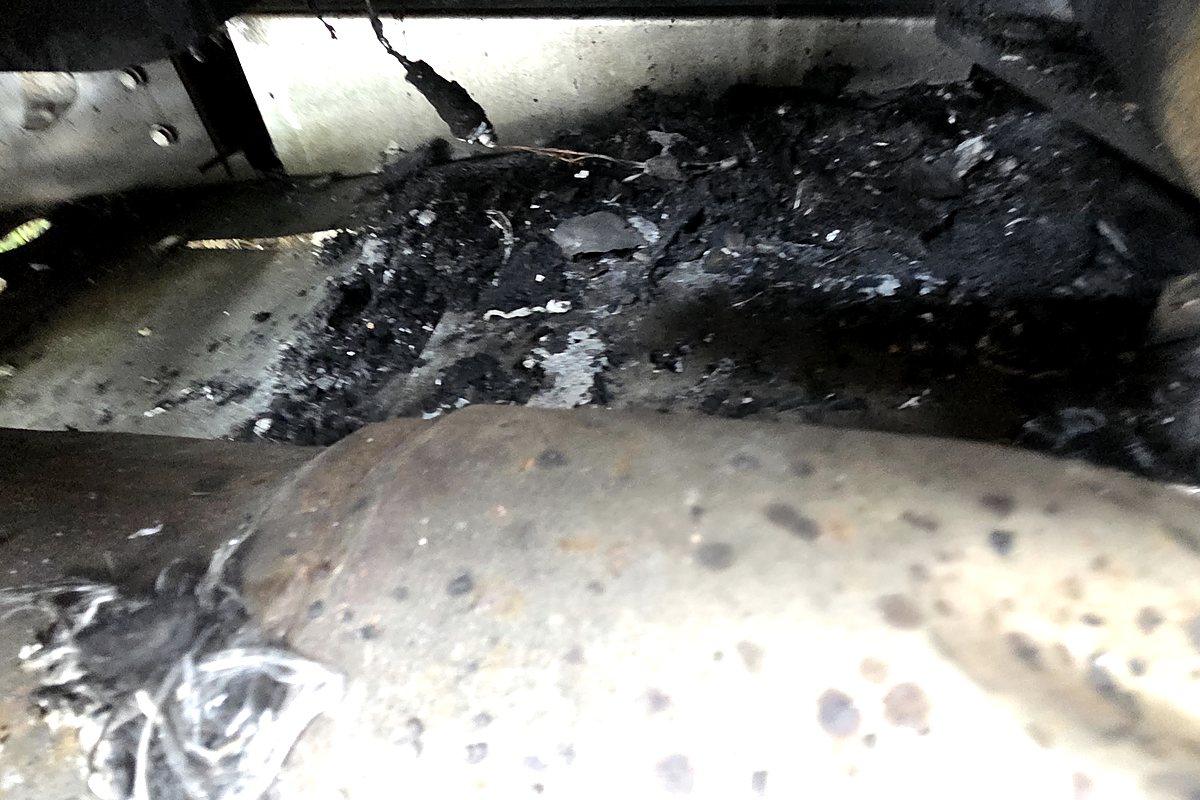
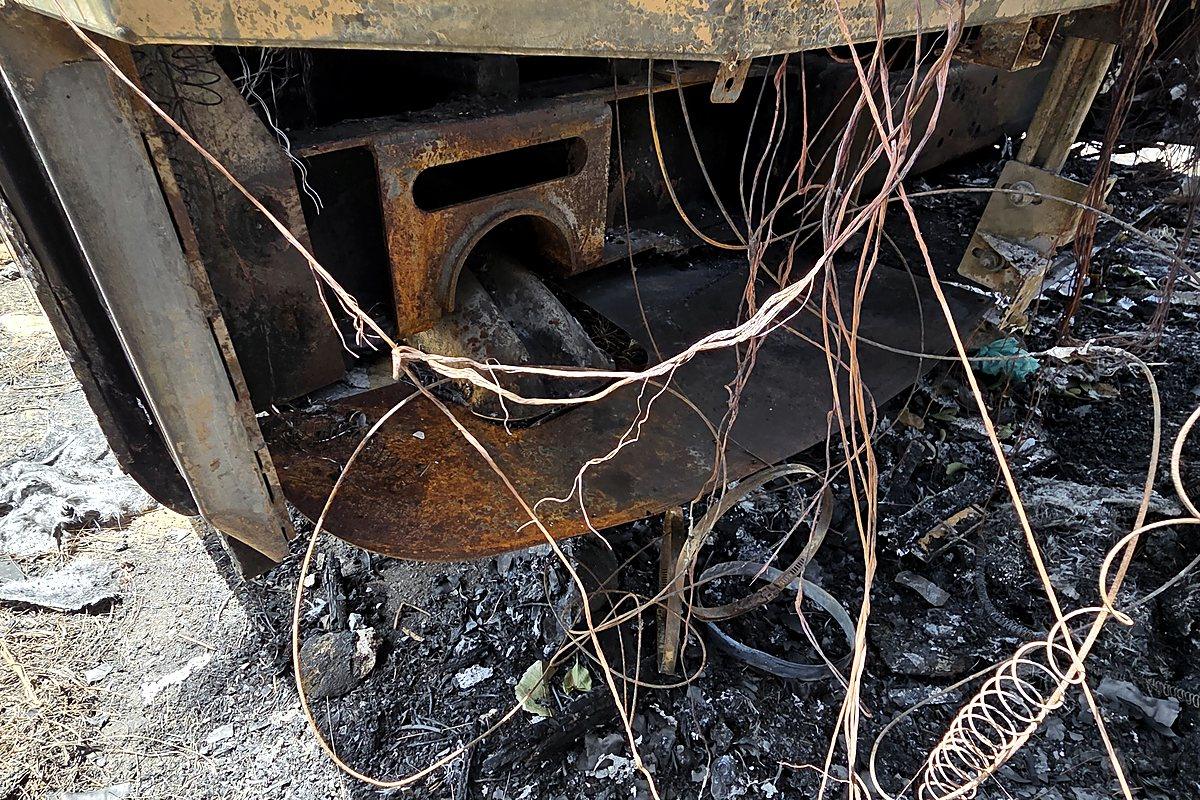
The case
- Bus parked in the operator’s yard, in exhaust-system regeneration, on a rainy day.
- On the concrete, under the exhaust outlet, the vegetation formed a clean circle: blown away by the hot air.
- Bumper fragments were soaked with pine needles. There was no fluid leak.
How we helped the client
With the numbers on the table: pine needles ignite near 230 °C and exhaust gases leave at 550 to over 650 °C. The chassis maker’s manual says not to regenerate over dry vegetation. The fire came from outside the vehicle and the report shows it step by step.
Combustion of plant material under the vehicle, whose flames reached the bumper surround and the engine compartment. An external cause, from safety measures not being observed during the procedure.
The driver saw smoke in the saloon. The fire was already in the engine
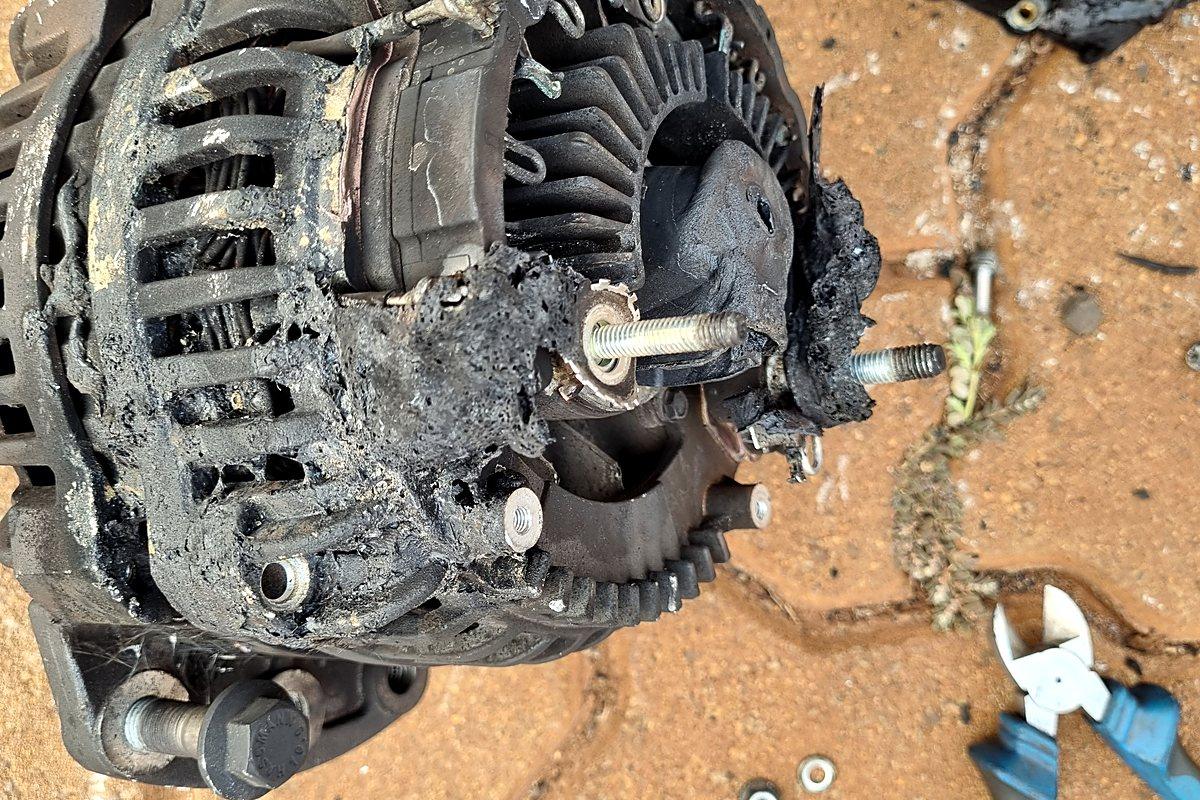
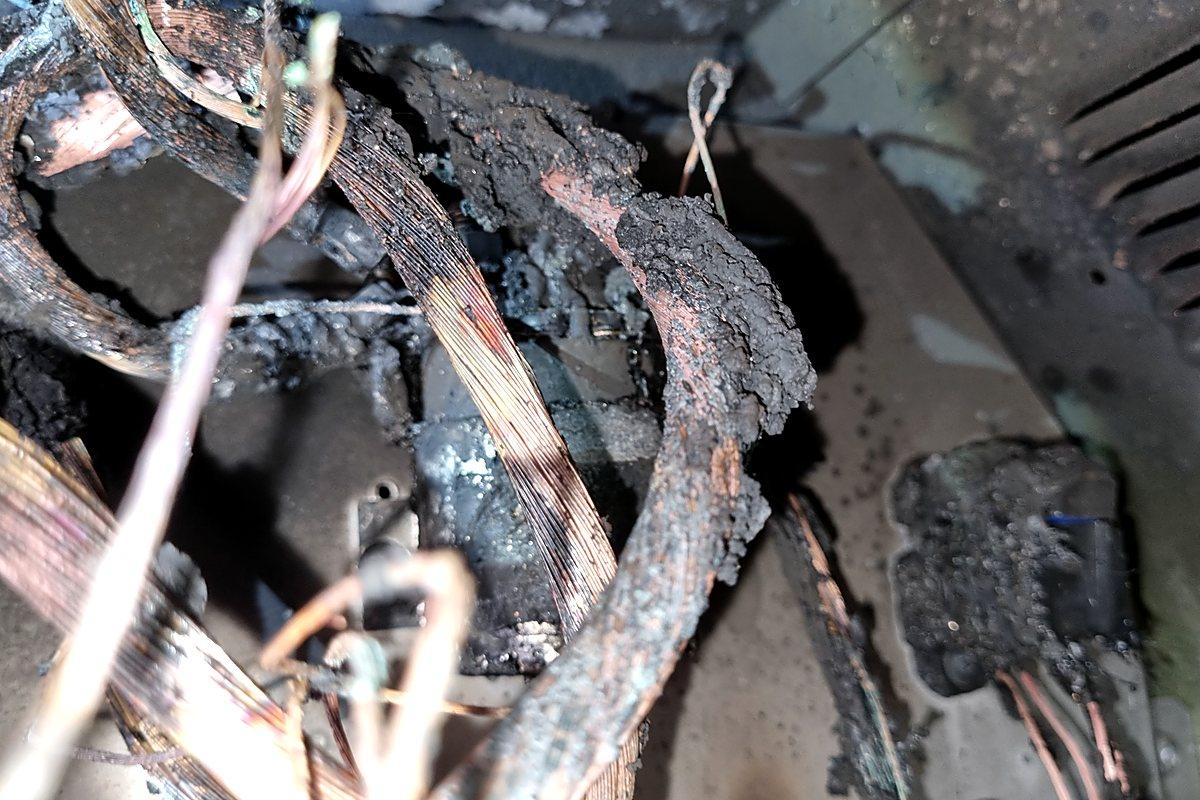
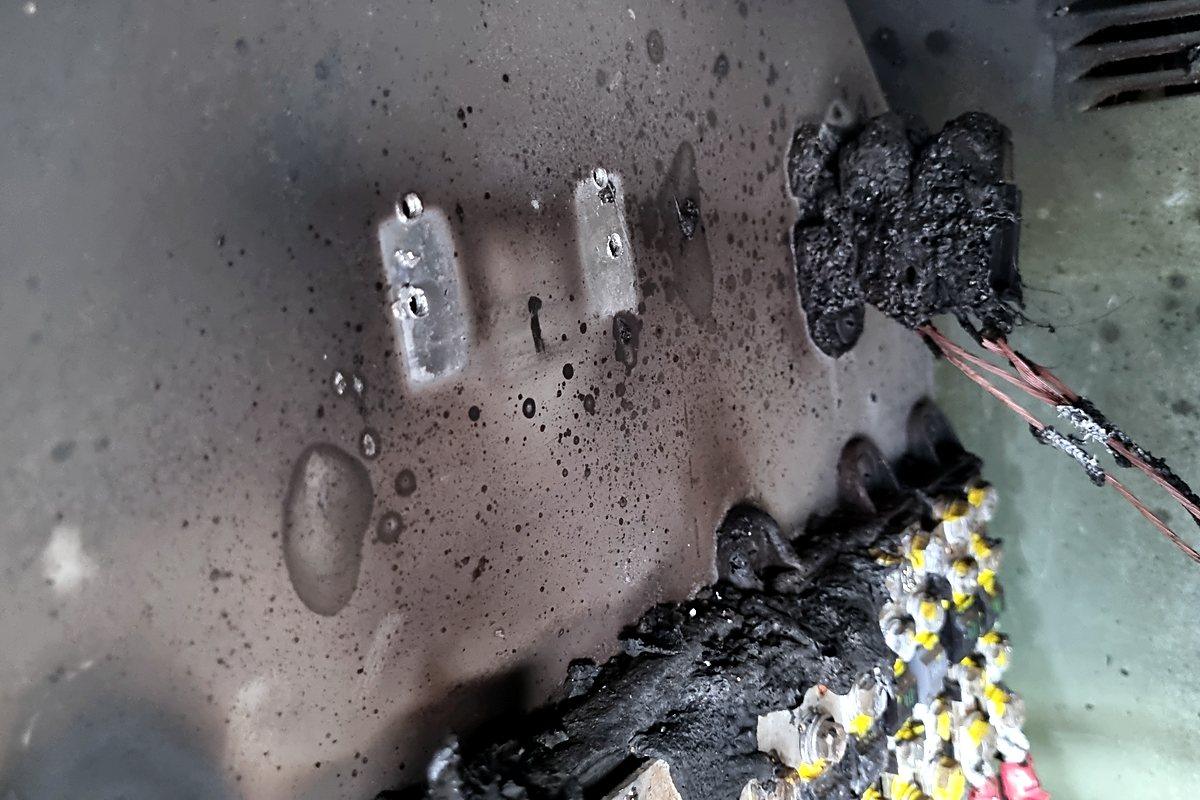
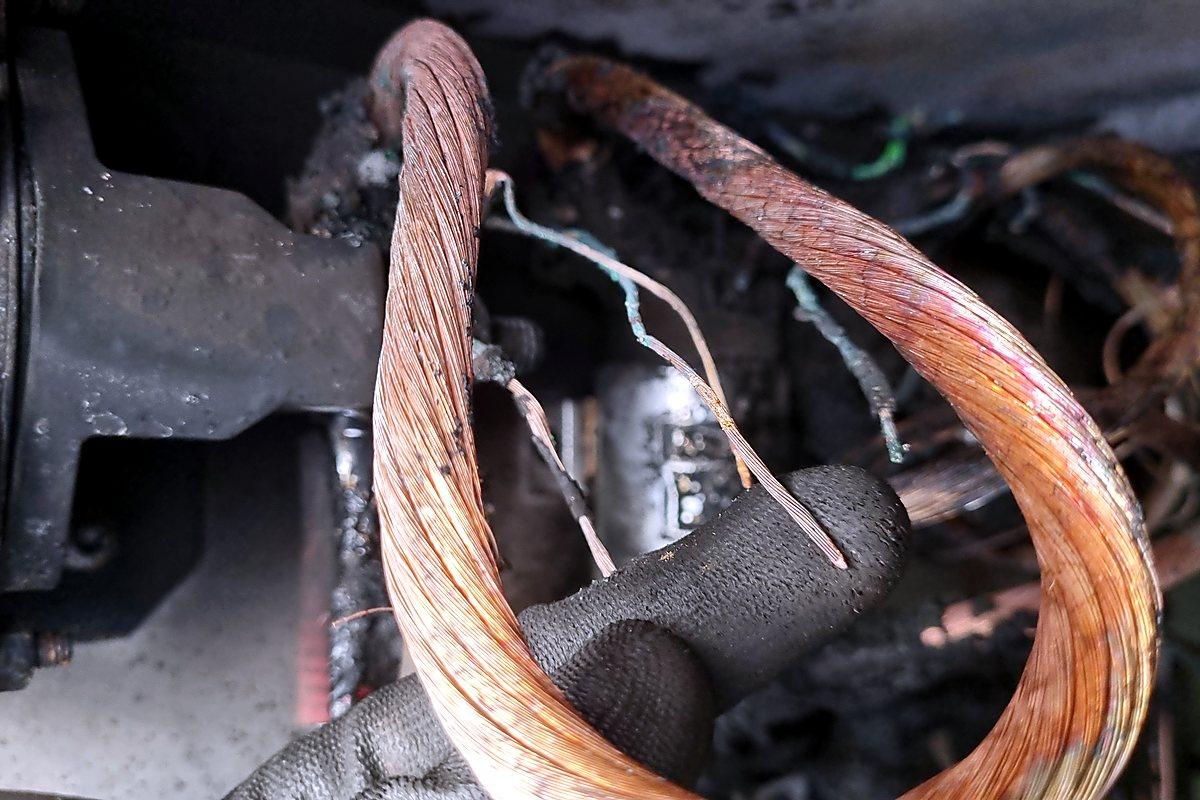
The case
- The account was of smoke in the saloon, then flames. The footage shows the opposite: smoke from the roof exit only after the cabin had burned heavily.
- In the saloon only the upper part of the trim burned: the fire came in from outside.
- The destination sign kept working during the fire: the master switch was not turned off, and a second short circuit appeared at the batteries.
How we helped the client
A witness account says where the fire was seen, not where it began. We cross-checked the order of smoke in the footage with the damage pattern in each compartment. The client received the origin at the alternator and, separately, the effect of not switching off the master switch.
Short circuit in the chassis alternator. Not switching off the master switch contributed to a second short circuit in the battery compartment, with a second seat in the relays.
An international case: Chile
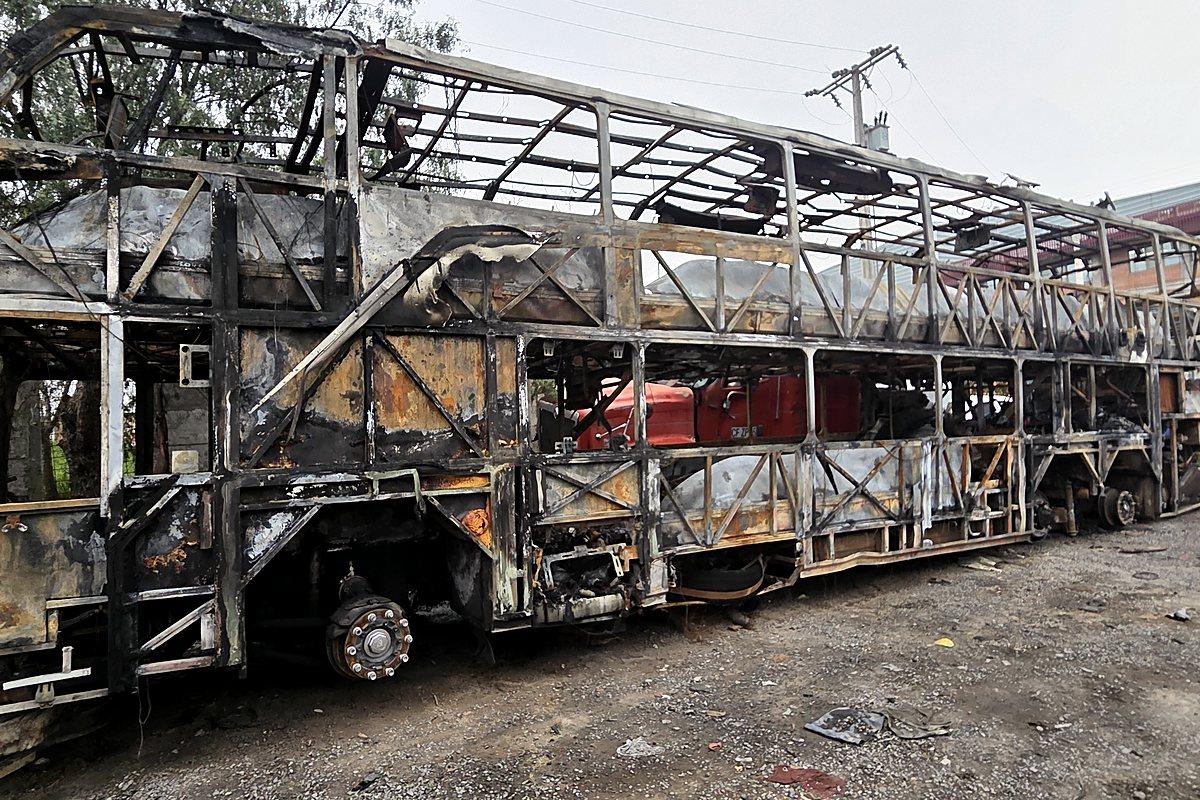
The case
- Fire on a Chilean highway, late in the afternoon. The inspection took place at an auction yard in Santiago, with local teams.
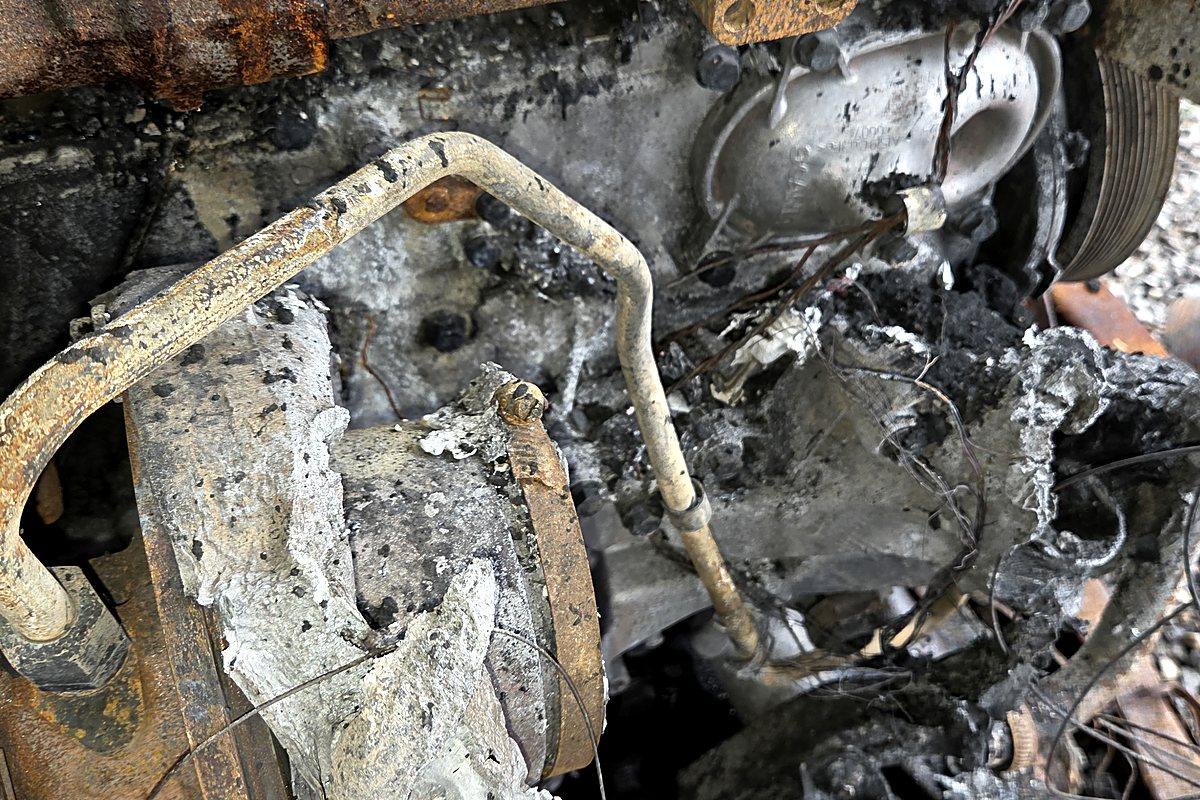
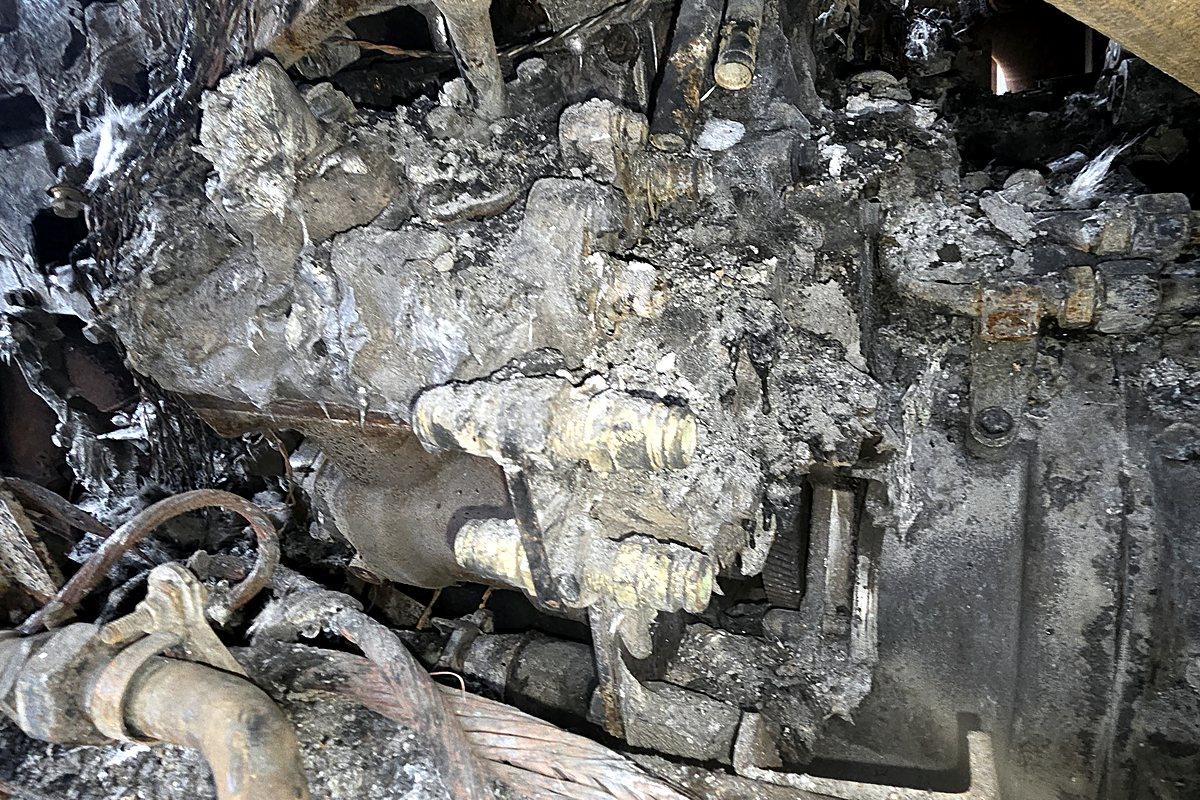
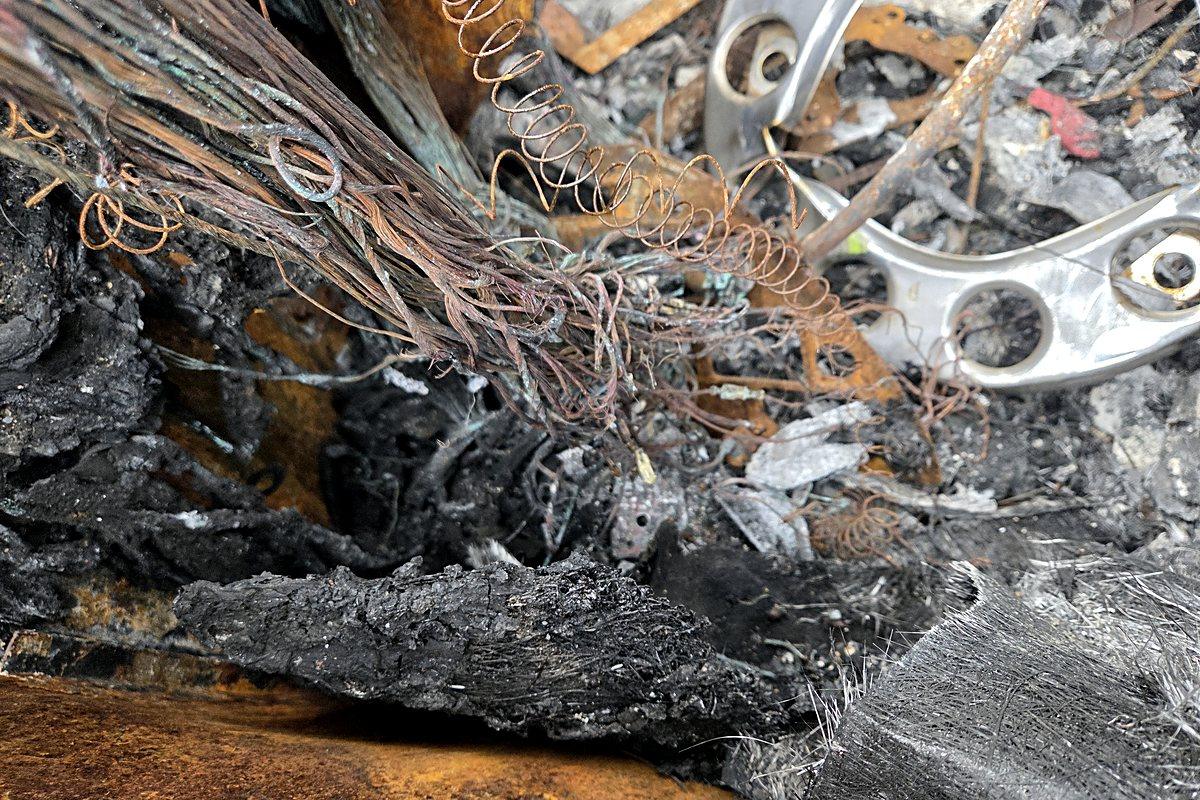
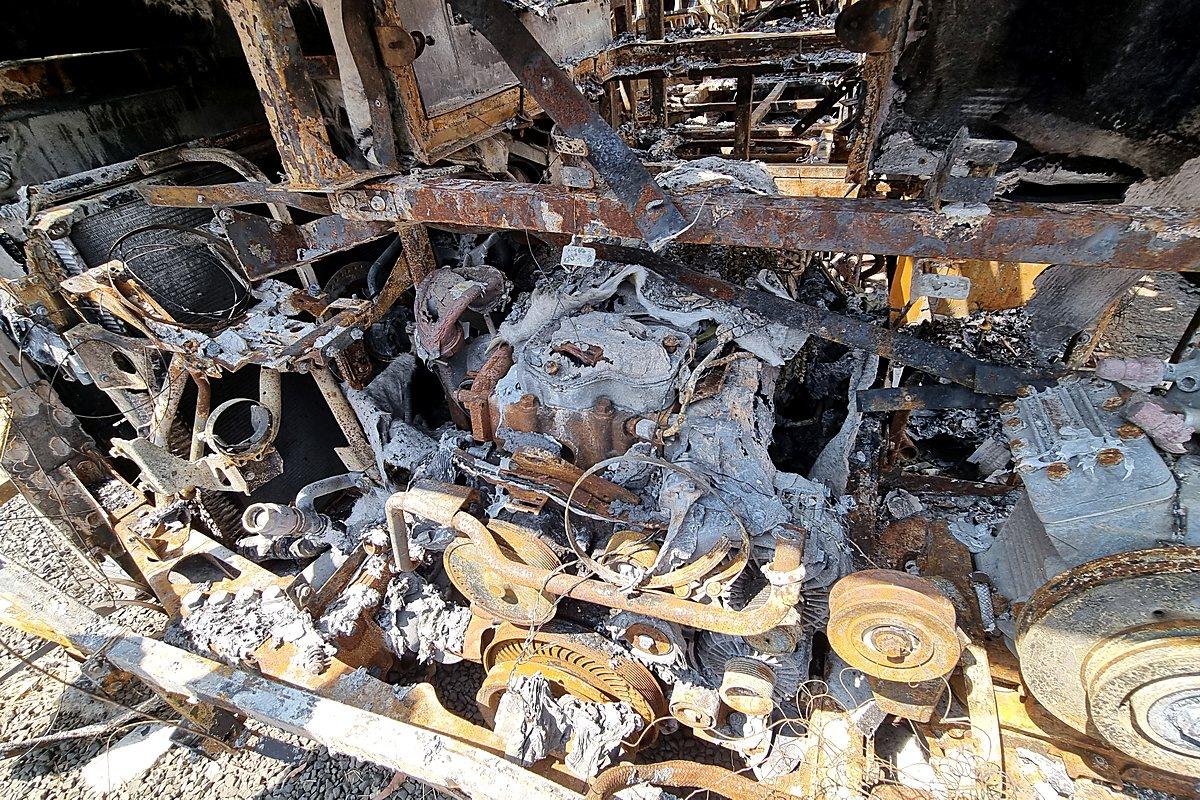
- The rear of the engine, beside the air compressor, was far more damaged than the front: melted block casing.
- A power-steering hose had a loose end, with no fire marks, beside the fuel hoses.
How we helped the client
The area was consumed to the point of preventing confirmation of which hose leaked. The report says so: it fixes the seat at the air compressor and the type of failure (flammable liquid on a hot part), without claiming what the evidence cannot support.
Leak of flammable liquid (hydraulic oil and/or diesel) onto hot engine-block components beside the air compressor.
When the vehicle is removed before the inspection
The case
- Court case. The court-appointed expert could not determine the cause: the vehicle had been removed from the inspection site by the plaintiff, without notice.
- Our earlier inspection showed greater damage on the right side of the engine compartment, with the seat behind the alternator set.
- Electrical cables were missing from the vehicle, which limited the analysis.
How we helped the client
We prepared the initial report and then a dissenting technical opinion on the court expert’s report. Without a final cause on record, what the evidence allows was set down: the primary seat was in the engine compartment, and the few bodywork components were reached by the spread.
Possible overheating of the chassis alternator. The absence of the electrical cables prevented checking whether they contributed.
A fuel-filter change the day before
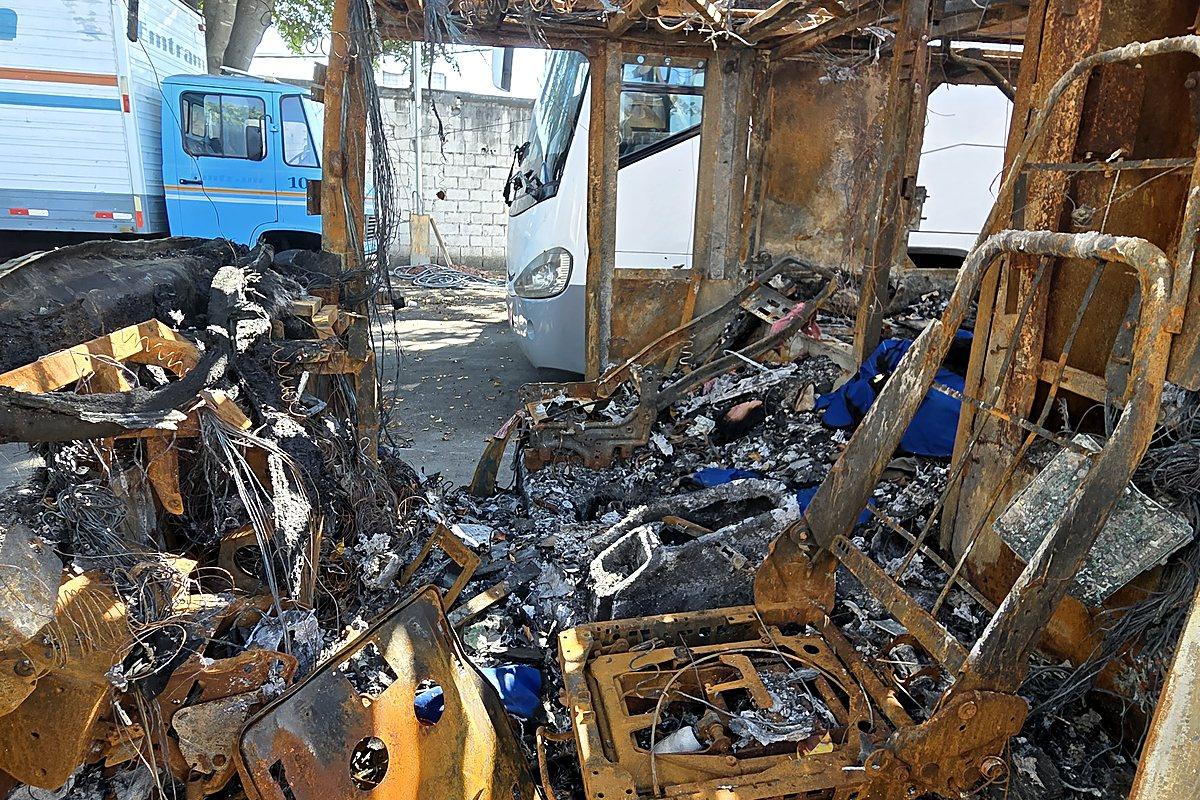
The case
- The maintenance order records a fuel-filter change the day before, exactly where the fire began.
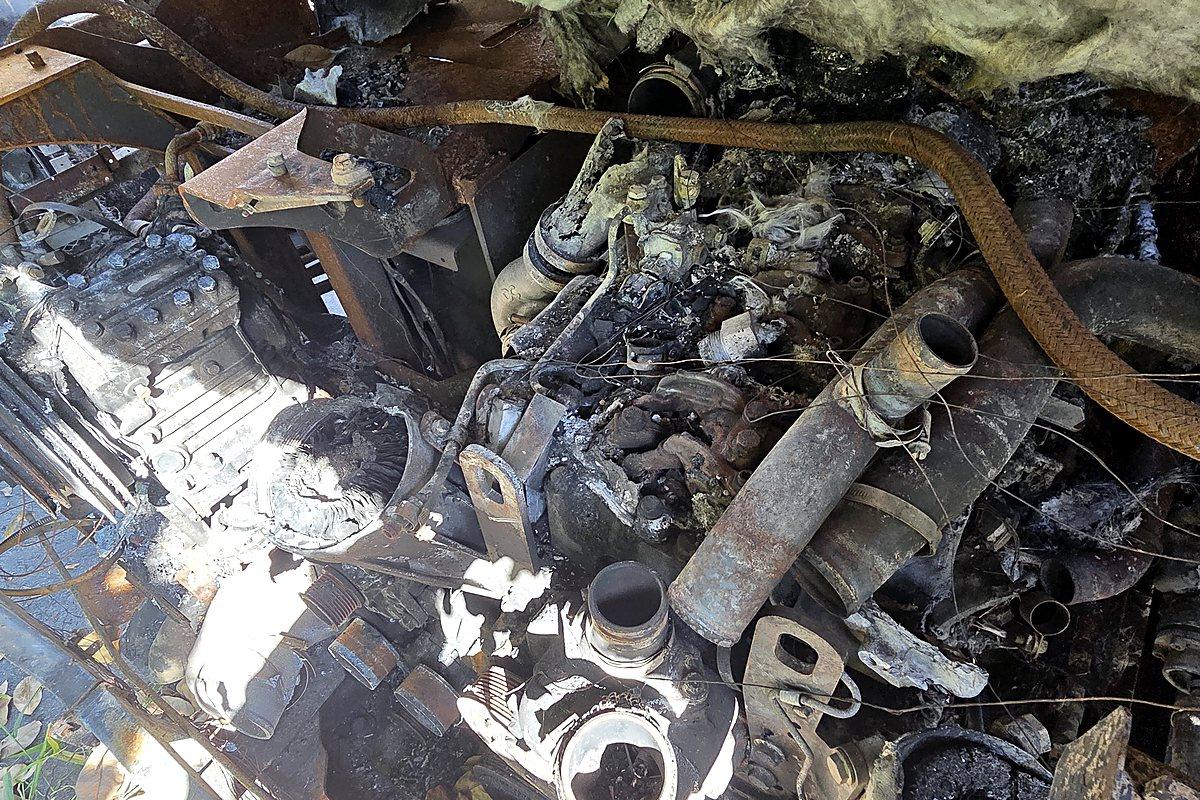
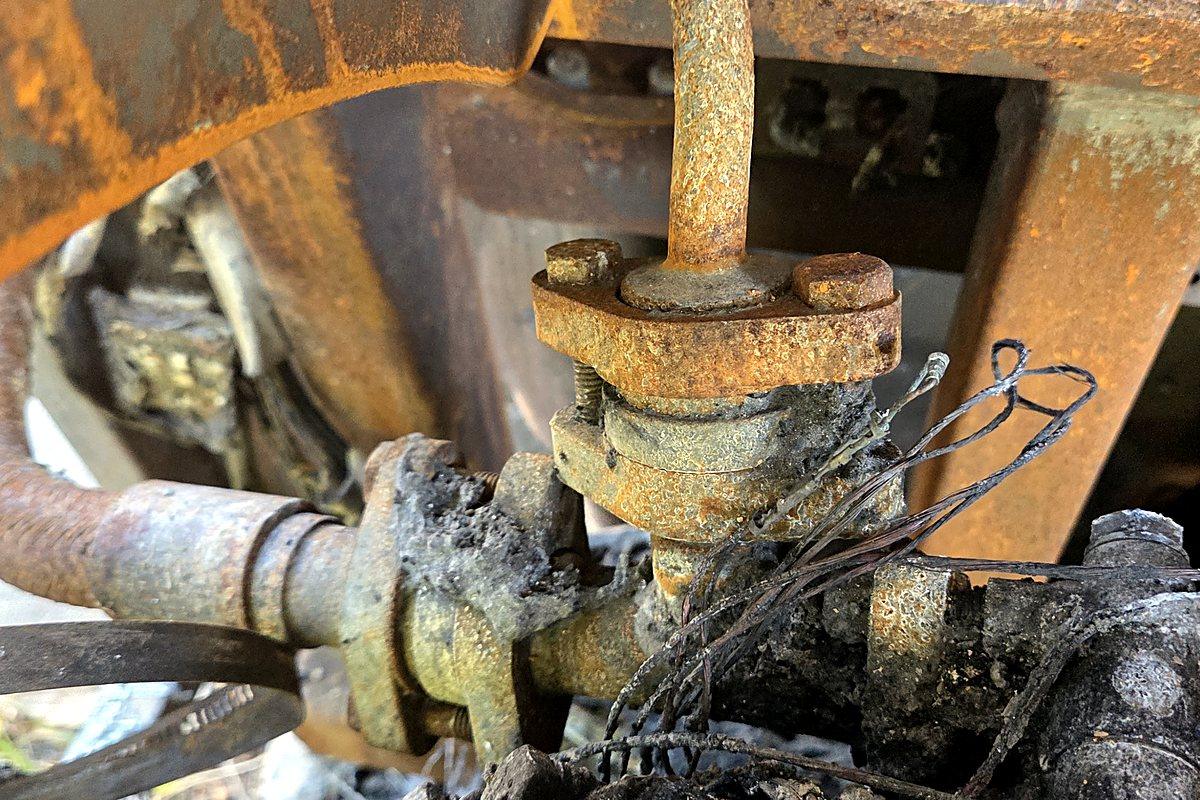
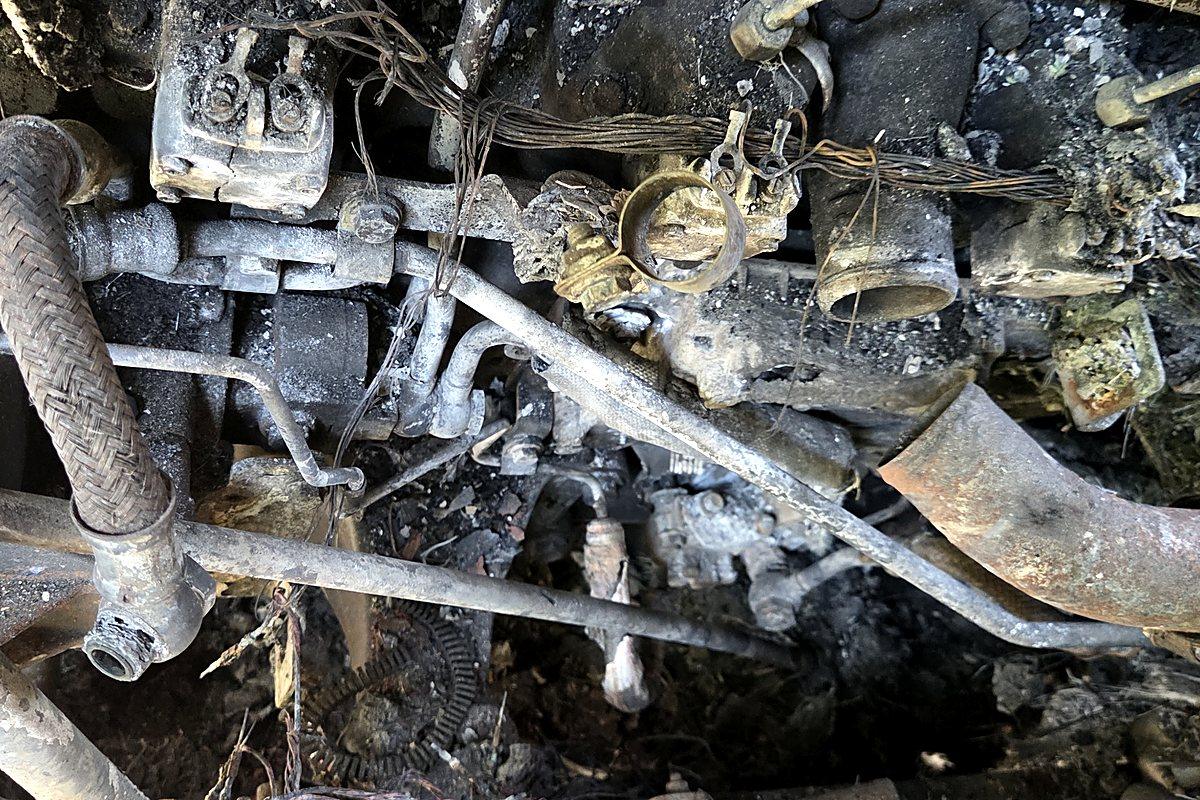
- The traces showed fuel leaking around the filter, onto the hot engine block.
- The operator’s maintenance routine does not include checking the tightness of the fuel hoses.
How we helped the client
We cross-checked the highway police report, maintenance orders and plans against what the inspection found. Two possible faults, loose hoses or a badly fitted filter cap, lead to the same leak, and the report points to both.
Fuel leak onto hot engine-block components near the fuel filter, from loose hoses or a badly fitted filter cap.
