
Speed as a causal factor
Cases where the speed calculation decides the cause of the accident.
On paper, 100 km/h. In the damage, under 50
The case
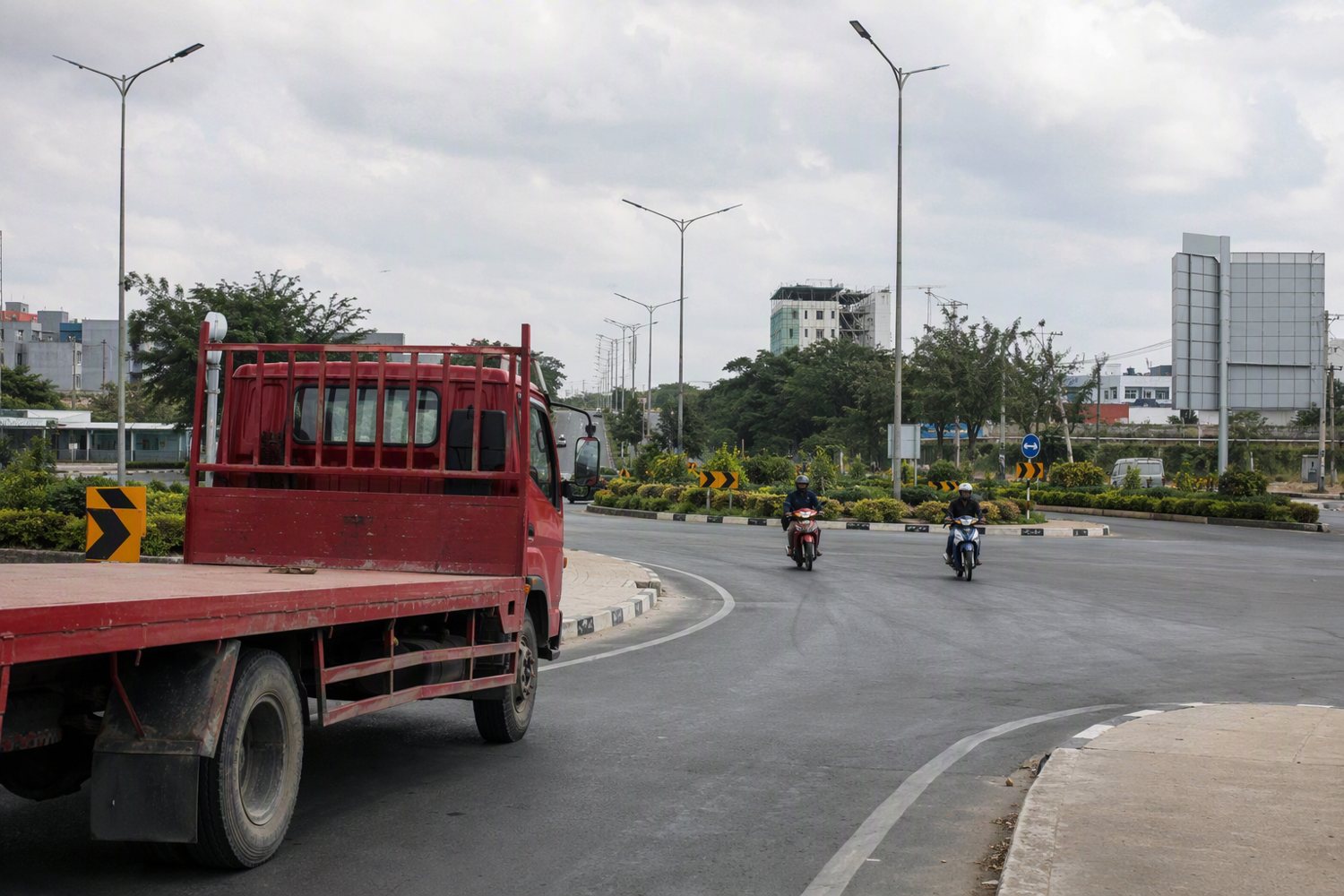
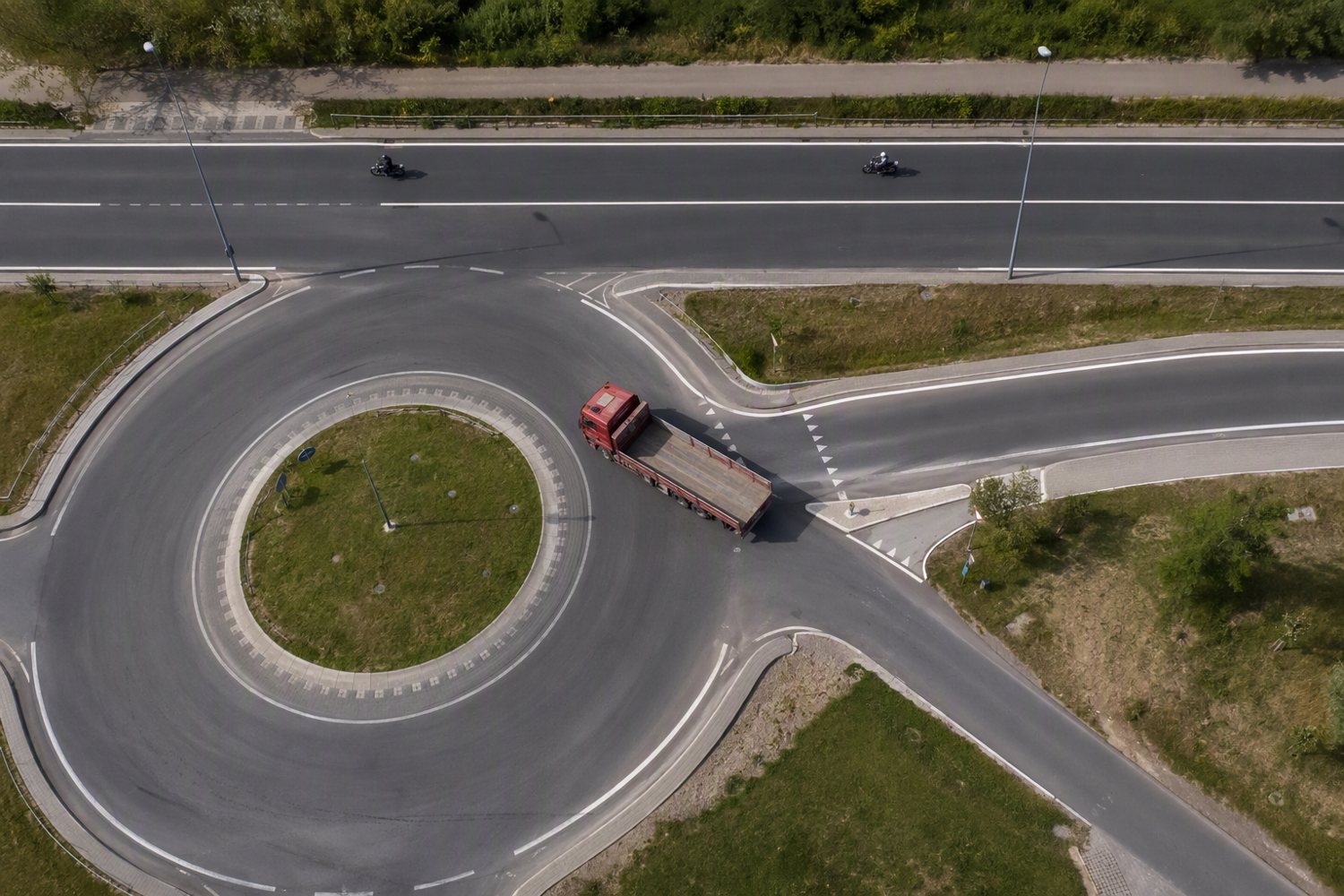
- A truck crossed an urban highway at a roundabout and was hit by two motorcycles travelling on the main road. One rider died.
- The other side filed a speed report: 100 km/h for one bike and 72 km/h for the other, on a road with a 50 km/h limit.
- On the footage the two bikes ride together and keep the same spacing up to the crash: they could not have been going at such different speeds.
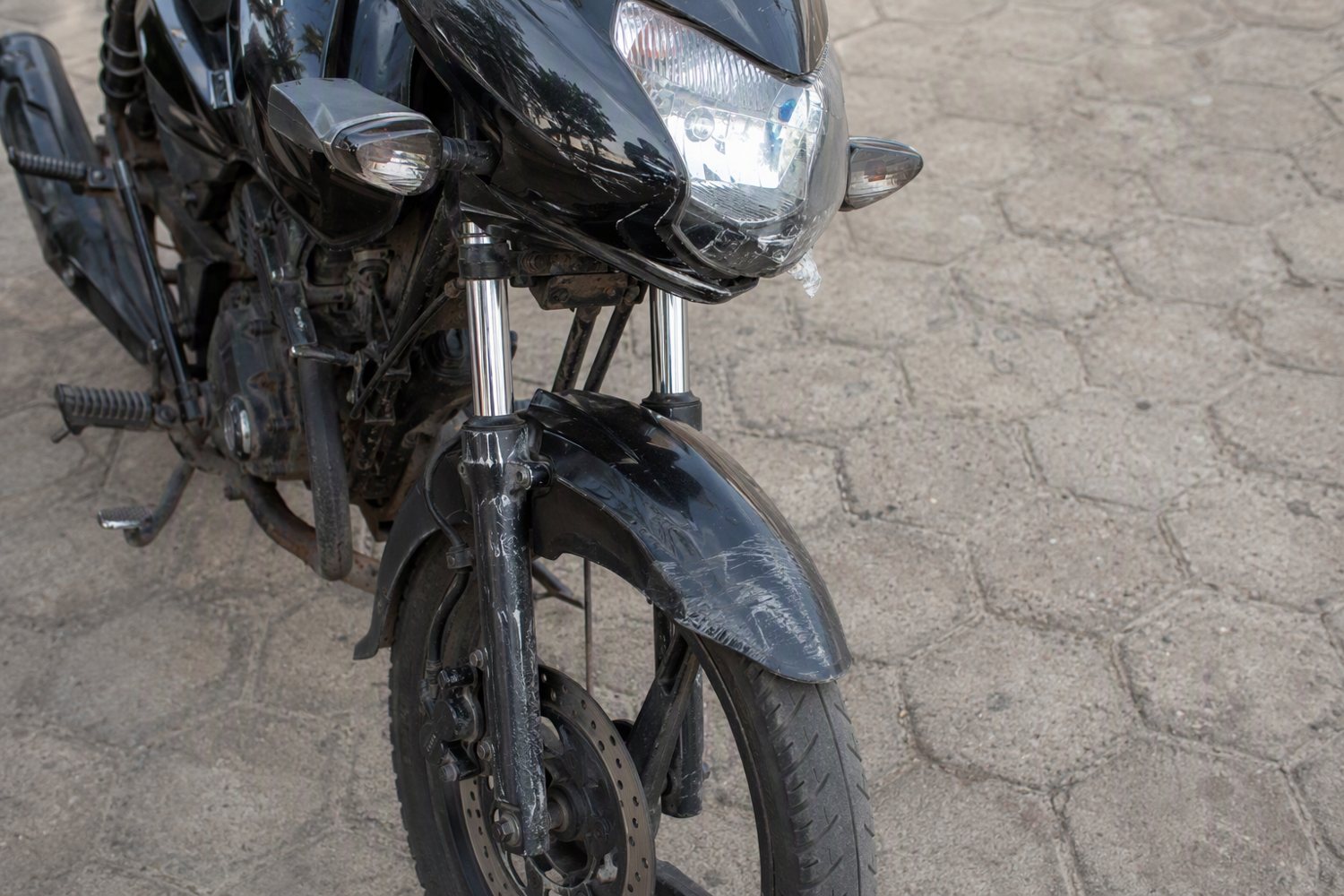
- There was no braking. The bike’s fork barely deformed: for the other side’s figure to hold, the wheelbase would have shortened by more than 30%.
How we helped the client
The other side’s report timed the bikes between two road markings and divided. We showed the points on the footage were misplaced and that the figure ignored what the vehicle itself records.
We calculated speed from the damage using three methods from the literature (Severy, Fricke and Irureta). Even assuming an exaggerated 15% shortening, the bike would be near 40 km/h.
In 2025, when the court expert kept a 96 m distance for the bike, we ran the sum the other way: 96 m in about 2 s is 173 km/h. We filed a dissenting opinion with this and other points.
The speed figures, side by side
How the bike’s shortening reveals speed
The bike was below the 50 km/h limit. The accident was caused by the truck’s manoeuvre, crossing the road without due care.
The report blamed speed. Even at the limit, it could not be avoided


The case
- An SUV travelling on the highway hit a truck combination that was entering the road from a dirt track at dusk. The SUV driver died.
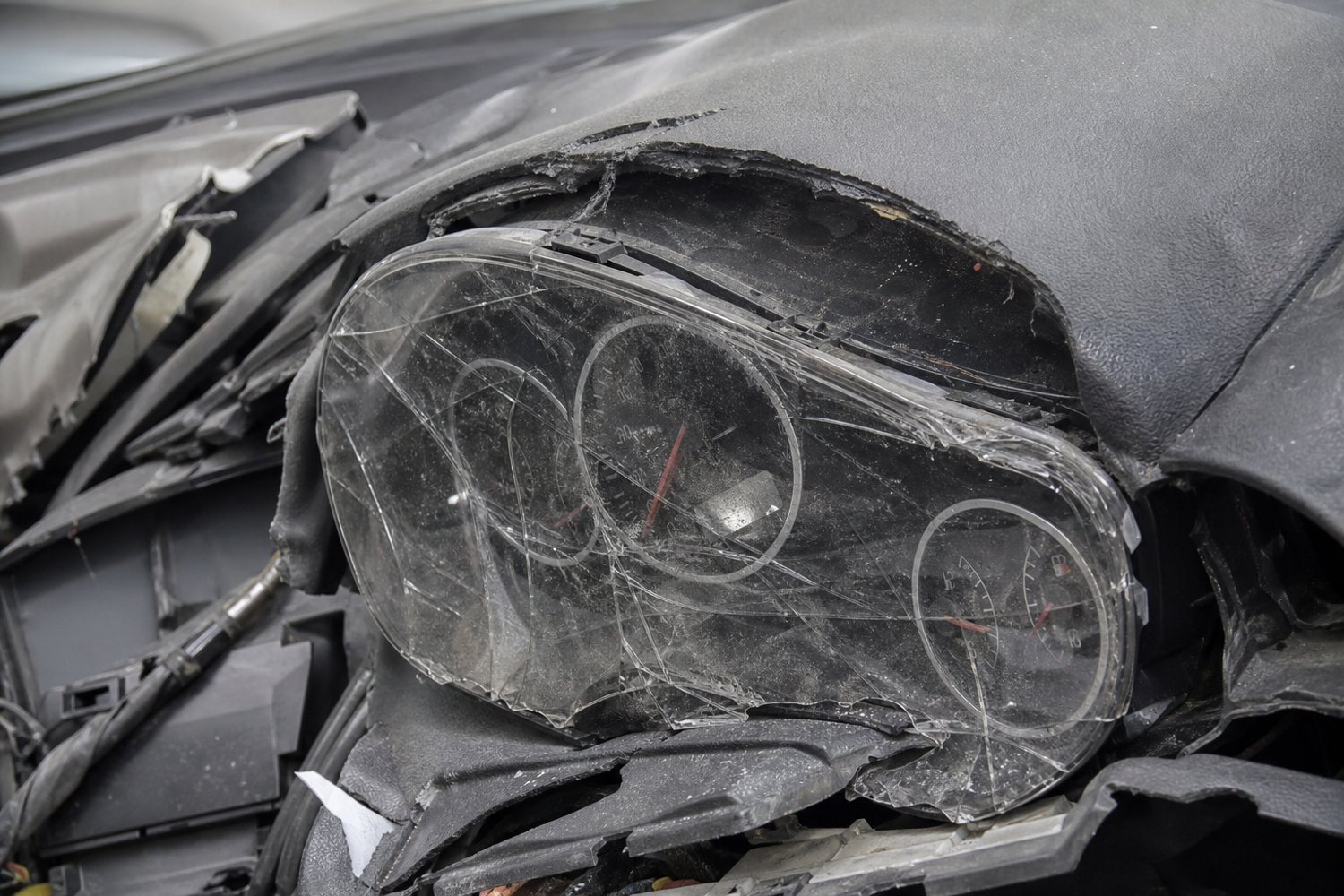
- The official report concluded the accident was caused by the SUV driver’s excess speed and lack of reaction. The speed came from the speedometer needle, stuck after the impact.
- There were no braking marks. The report read this as a lack of reaction, without checking whether there was time and space to react.
- The combination’s reflective strips were perfectly clean while the rest of the vehicle was covered in dust: a sign of recent cleaning, before or after the accident.
How we helped the client
We showed that the needle of a crushed speedometer is not a method: speed is calculated by conservation of energy or momentum, as is done in traffic forensics.
Then we changed the question. Instead of “how fast was he going?”, we asked: how far away was he when he could see the danger? By the point of no escape, the SUV would need 80 m to stop from 80 km/h, or 112 m from 100 km/h.
With no braking marks, the SUV was at most 45 to 55 m from the crash point, well short of that. Even at the limit of the road, the accident was physically unavoidable for him. The combination’s driver, with a clear view, should have stopped and waited.
The distance the SUV had, against what it needed
The event was caused by the imprudence of the combination’s driver, who entered the main road without stopping and without making sure it was safe to do so.